





Dry roasting is a process that not only enhances the flavor and aroma of nuts but also improves their texture and preservation. At Nutnut, we use artisanal techniques to roast in small batches, ensuring a fresh and delicious product. Explore how dry roasting elevates your favorite snacks to another level!
What does roasting add to nuts?
Dry roasting is a process that significantly transforms the characteristics of nuts, improving their flavor, aroma, texture, and preservation.
The heat applied during dry roasting causes a series of chemical reactions that enhance the flavor profile of nuts. Additionally, volatile compounds are generated that boost the characteristic aroma of nuts, giving them a deeper and more appealing scent. The evaporation of internal moisture makes nuts crispier, offering a more satisfying bite and firmer texture compared to raw nuts. Finally, their preservation is improved; by removing some of the moisture, dry roasting helps prevent the oxidation of natural oils, which extends the product's shelf life without the need for preservatives.
Is the roast perceived in the taste of nuts?
Definitely! Dry roasting enhances the natural nuances of each nut, giving them a more intense, deep, and balanced flavor. The absence of added oils allows the palate to perceive the specific characteristics of each variety more clearly, resulting in a purer, more authentic, and delicious snack.
What organoleptic changes occur during roasting?
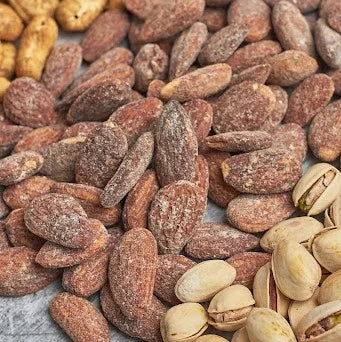
During dry roasting with coarse salt, nuts undergo a series of organoleptic changes that affect their flavor, aroma, texture, and color.
1. Flavor
Dry heat activates a series of chemical reactions that intensify the natural flavor of nuts:
- Maillard reaction: This process occurs between the amino acids and natural sugars of the nut, developing toasted, caramelized, and more complex notes.
- Release of natural oils: When heated, nuts release their essential oils, which enhances their flavor without the need to add additional fats.
- Interaction with coarse salt: The salt adheres to the surface and slightly penetrates the nut due to residual moisture, highlighting flavor nuances without masking them.
2. Aroma
Dry roasting generates volatile compounds that intensify the characteristic aroma of nuts. These compounds are responsible for the appealing toasted nutty smell.
3. Texture
Moisture evaporation makes nuts crispier and firmer. Coarse salt helps remove some surface moisture, contributing to a crunchier texture.
4. Color
Heat causes a gradual darkening, resulting in golden or toasted brown tones, visually associated with a perfect roast.
Dry roasting with coarse salt enhances the flavor, boosts the aromas, improves the texture, and beautifies the color of nuts, without the need for added oils.
What temperatures and times are ideal for each type of nut?
The dry roasting of nuts varies depending on the type of nut, as each has its own characteristics in terms of moisture and composition. The ideal temperatures and times for each type of nut vary to obtain the best result in terms of flavor, texture, and quality.
Depending on the nut, temperatures range between 160 ºC and 200 ºC and cooking time between 12 and 30 minutes per batch.
How does roasting affect digestibility?
The roasting of nuts can have several effects on their digestibility, as the roasting process alters both their structure and chemical composition. These are the main factors influenced by roasting:
- Improves digestibility by reducing antinutritional compounds.
- Improves digestive tolerance: Dry roasting does not introduce additional fats, making nuts easier to digest for people with digestive sensitivity or gastrointestinal problems.
In summary, roasting improves the digestibility of nuts by reducing antinutrients, softening proteins, and making natural oils more accessible.
What roasting methods exist (oven, pan, industrial)?
There are several roasting methods for nuts, each with its own characteristics and benefits.
1. Oven roasting
It is one of the most common methods and consists of roasting nuts in a conventional oven.
- Advantages: Precise temperature control, allowing for uniform roasting. It is ideal for large quantities.
- Process: Nuts are placed on a tray and exposed to direct heat at temperatures typically ranging from 150°C to 180°C for 10 to 20 minutes.
2. Pan roasting
This is a more homemade and quick method, in which nuts are roasted directly in a pan over medium heat.
- Advantages: Full control over the process and flavor, as you can continuously stir the nuts to prevent them from burning.
- Process: Nuts are placed in the pan without oil or with a small amount of oil and stirred constantly until they reach the desired roast. It is more suitable for small quantities.
3. Industrial roasting
This is the method used in large factories and for mass production of roasted nuts.
- Advantages: Allows processing large volumes of nuts quickly and efficiently.
- Process: Industrial roasters with continuous belts and hot air are used. These methods are designed to ensure uniform roasting and precisely control moisture and temperature.
Are all nuts roasted?
Not all nuts are roasted, although most do go through this process to improve their flavor, texture, and preservation. Some nuts are consumed raw or simply dehydrated to preserve their natural properties.
Nuts that are usually roasted:
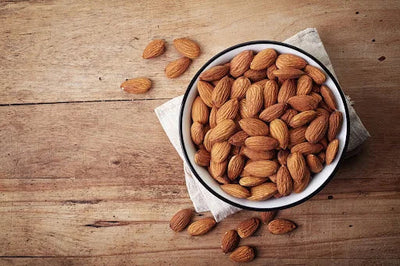
- Almonds: Roasted to intensify their flavor and make them crispier.
- Peanuts: Generally roasted to improve their flavor and extend shelf life.
- Hazelnuts: Roasted to bring out their flavor and facilitate shell removal.
- Cashews: Roasted to improve their flavor and texture.
- Pistachios: Roasted to open the shell and enhance their flavor.
Nuts that are not always roasted:
- Walnuts: Although they can be roasted, they are generally consumed raw to maintain their oils and nutrients intact.
- Pine nuts: Consumed fresh, but sometimes briefly roasted for use in certain recipes.
- Macadamias: Although they can be roasted, they are often sold raw due to their natural flavor and texture.
Why are some nuts not roasted?
Roasting can alter the nutritional profile and flavor of some nuts, so in some cases, it is preferred to keep them raw to preserve all their benefits.
Most nuts are roasted for flavor and preservation reasons, but there are exceptions depending on the type of nut and consumer preference.
How do we roast at Nutnut?
Our dry roasting technique is an artisanal process using a rotating drum, where we hand-roast in small batches to ensure the freshness and perfect roast of each product.
We invite you to discover our full range of roasted nuts and explore these unique flavors.


Leave a comment
This site is protected by hCaptcha and the hCaptcha Privacy Policy and Terms of Service apply.