




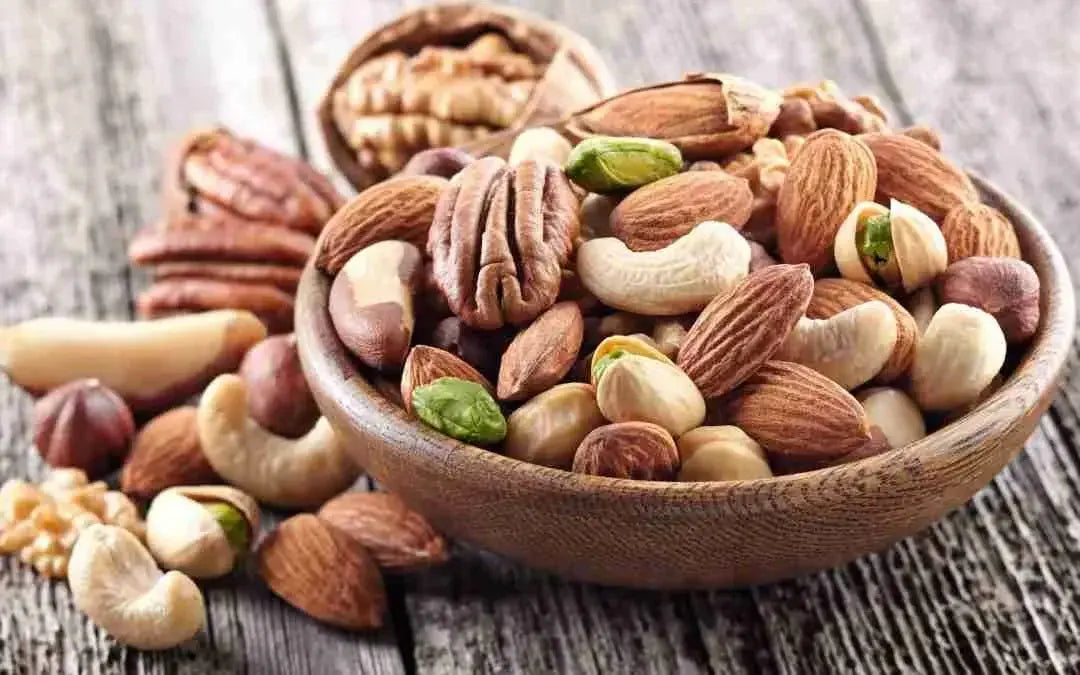
Nuts are highly nutritious foods that, in addition to being delicious, provide a good amount of vegetable protein. Incorporating them into our daily diet can be an excellent way to increase protein intake, especially for those looking for alternatives to animal-based proteins. In this article, we will explore which nuts contain the most protein and how they can benefit our health.
Why are proteins important?
Proteins are essential macronutrients that perform multiple functions in the body, such as:
- Building and repairing tissues: They are fundamental for the growth and repair of muscles, skin, and other tissues.
- Production of enzymes and hormones: They participate in the synthesis of digestive enzymes and hormones that regulate bodily processes.
- Immune function: They help in the formation of antibodies that fight infections.
Adequate protein intake is vital for maintaining optimal health and preventing various diseases.
Nuts with the highest protein content
Below, we detail the nuts that stand out for their high protein content:
1. Peanuts
Protein content: Approximately 25 grams of protein per 100 grams.
Although botanically they are legumes, peanuts are commonly considered nuts due to their nutritional characteristics and their use in food. They are an excellent source of vegetable protein and contain antioxidants like resveratrol. Furthermore, their versatility allows them to be consumed in various ways, such as in butter without added sugar.
2. Almonds
Protein content: Between 18 and 20 grams of protein per 100 grams.
Almonds are rich in vitamin E, calcium, and fiber, which makes them a healthy snack that also promotes cardiovascular and bone health.
3. Pistachios
Protein content: Approximately 20 grams of protein per 100 grams.
Pistachios are low in calories and fats, but rich in vitamin B6, which is essential for multiple bodily functions, including blood sugar regulation and hemoglobin formation.
4. Cashews
Protein content: Around 17 grams of protein per 100 grams.
In addition to their protein content, cashews provide vitamin K, magnesium, and manganese, nutrients that support bone and metabolic health.
5. Pine Nuts
Protein content: Approximately 17 grams of protein per 100 grams.
Pine nuts are rich in magnesium, iron, and vitamins K and E, nutrients that contribute to cardiovascular health and the immune system.
6. Walnuts
Protein content: Approximately 15 grams of protein per 100 grams.
Walnuts are known for their high content of omega-3 fatty acids, which are beneficial for heart and brain health.
7. Hazelnuts
Protein content: Between 12 and 15 grams of protein per 100 grams.
Hazelnuts are rich in healthy fats, fiber, and antioxidants, making them a nutritious option to include in the daily diet.
How to incorporate nuts into your daily diet
Integrating nuts into your diet is simple and delicious. Here are some ideas to do so:
1. As a healthy snack
Carry a portion of nuts in your bag or backpack to eat between meals. They are a practical and nutritious option that will help you maintain energy throughout the day.
2. In salads and main dishes
Add sliced almonds or chopped walnuts to your salads to give them a crunchy touch and increase their nutritional value. You can also incorporate them into pasta dishes, rice, or stews.
3. In baking and desserts
Use almond flour in your baking recipes or add hazelnuts and pistachios to your favorite desserts to enrich their flavor and protein content.
4. In creams and butters
Prepare nut butters, such as peanut butter or almond butter, to spread on toast or as an ingredient in smoothies and sauces.
How nut proteins compare to animal proteins
- Proteins in nuts: They are an excellent option for vegetarians and vegans, as they provide vegetable proteins. However, it is necessary to combine different vegetable sources to obtain all essential amino acids.
- Animal proteins: They are complete protein sources, making them ideal for those seeking a quick and complete supply of essential amino acids, such as athletes or people trying to increase muscle mass.
Nuts are a healthy and sustainable option for obtaining vegetable proteins, while animal proteins are more suitable for those who need a complete supply of essential amino acids. The choice between one and the other will depend on individual needs and dietary goals.
Considerations when consuming nuts
Although they are very beneficial, nuts should be consumed in moderation due to their high caloric value. It is recommended to opt for natural or roasted versions without added salt or sugar. In addition, it is important to store them in a cool, dry place to prevent them from going rancid. People with allergies should avoid them and check labels of processed products to prevent cross-contamination.
Conclusion
Nuts are an excellent source of vegetable proteins, in addition to providing healthy fats, fiber, vitamins, and essential minerals for the body. Incorporating them into the daily diet in a balanced way can contribute to improving cardiovascular health, digestion, and physical performance.
If you are looking for a natural and delicious protein alternative, nuts are an ideal option. Include them in your diet and enjoy their benefits!



Leave a comment
This site is protected by hCaptcha and the hCaptcha Privacy Policy and Terms of Service apply.