




Oxidative damage, also known as oxidative stress, occurs when there is an imbalance between the production of free radicals and the body's ability to neutralize them with antioxidants. Free radicals are unstable molecules that, in excess, can attack cellular components such as lipids, proteins, and DNA, causing structural and functional alterations that accelerate aging and increase the risk of chronic diseases, such as cardiovascular, neurodegenerative diseases, and certain types of cancer.
How does oxidative damage occur?
Oxidative damage is mainly caused by the normal metabolism of oxygen in the body, but it can be increased by external factors such as:
- Excessive sun exposure
- Environmental pollution
- Tobacco and alcohol consumption
- Diet poor in antioxidants
- Intense physical exercise without adequate recovery
- Chronic stress
When free radicals exceed the body's antioxidant capacity, they begin to oxidize cellular components, deteriorating tissues and organs.
Nuts and oxidative damage
Nuts play a dual role in the context of oxidative damage:
- On the one hand, they contain unsaturated fats, which are more susceptible to oxidation.
- On the other hand, they are rich in natural antioxidants, such as vitamin E, selenium, polyphenols and other phenolic compounds, which help counteract the pro-oxidant effect of their fats and protect cells from oxidative damage.
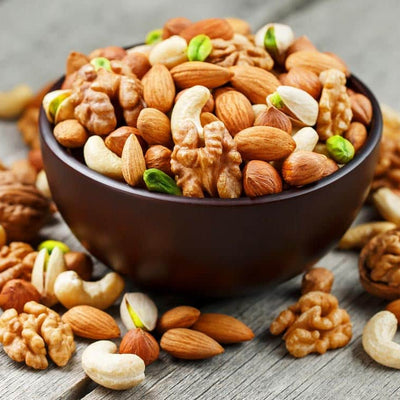
Studies have shown that regular consumption of nuts, especially walnuts, almonds, hazelnuts and pistachios, increases the antioxidant capacity of plasma, reduces lipid peroxidation and can decrease oxidative damage to DNA, which is associated with a lower incidence of chronic diseases.
Which nuts stand out for their antioxidant power?
- Walnuts (Polyphenols, melatonin, vit. E): Highest antioxidant power, anti-inflammatory, cardiovascular protection
- Almonds (Vitamin E): Skin health, cell protection
- Hazelnuts (Vitamin E, ellagic acid): Cardiovascular health, cancer protection
- Pistachios (Lutein, zeaxanthin): Eye health, antioxidant capacity
- Cashews (Selenium): Antioxidant boost, muscle health
In general, the highest concentration of antioxidants in nuts is found in the skin, so it is advisable to consume them unpeeled whenever possible.
How to avoid oxidative damage?
To prevent oxidative damage, it is recommended to:
- Maintain a diet rich in antioxidants: consume fruits, vegetables, legumes, seeds and nuts daily.
- Prefer natural nuts, without added salt or sugar, and, if possible, with skin.
- Avoid harmful habits such as smoking and excessive alcohol consumption.
- Exercise regularly and moderately.
- Protect yourself from excessive sun exposure by using sunscreen.
- Get adequate sleep and manage stress.
Conclusion
Oxidative damage is a natural process that, if left unchecked, can contribute to premature aging and the onset of chronic diseases. Nuts, thanks to their richness in antioxidants such as vitamin E, polyphenols and selenium, are key allies in combating oxidative stress and protecting cellular health. Including a variety of nuts in the daily diet, along with other healthy habits, is an effective strategy to reduce the risk of oxidative damage and its consequences.



Leave a comment
This site is protected by hCaptcha and the hCaptcha Privacy Policy and Terms of Service apply.