


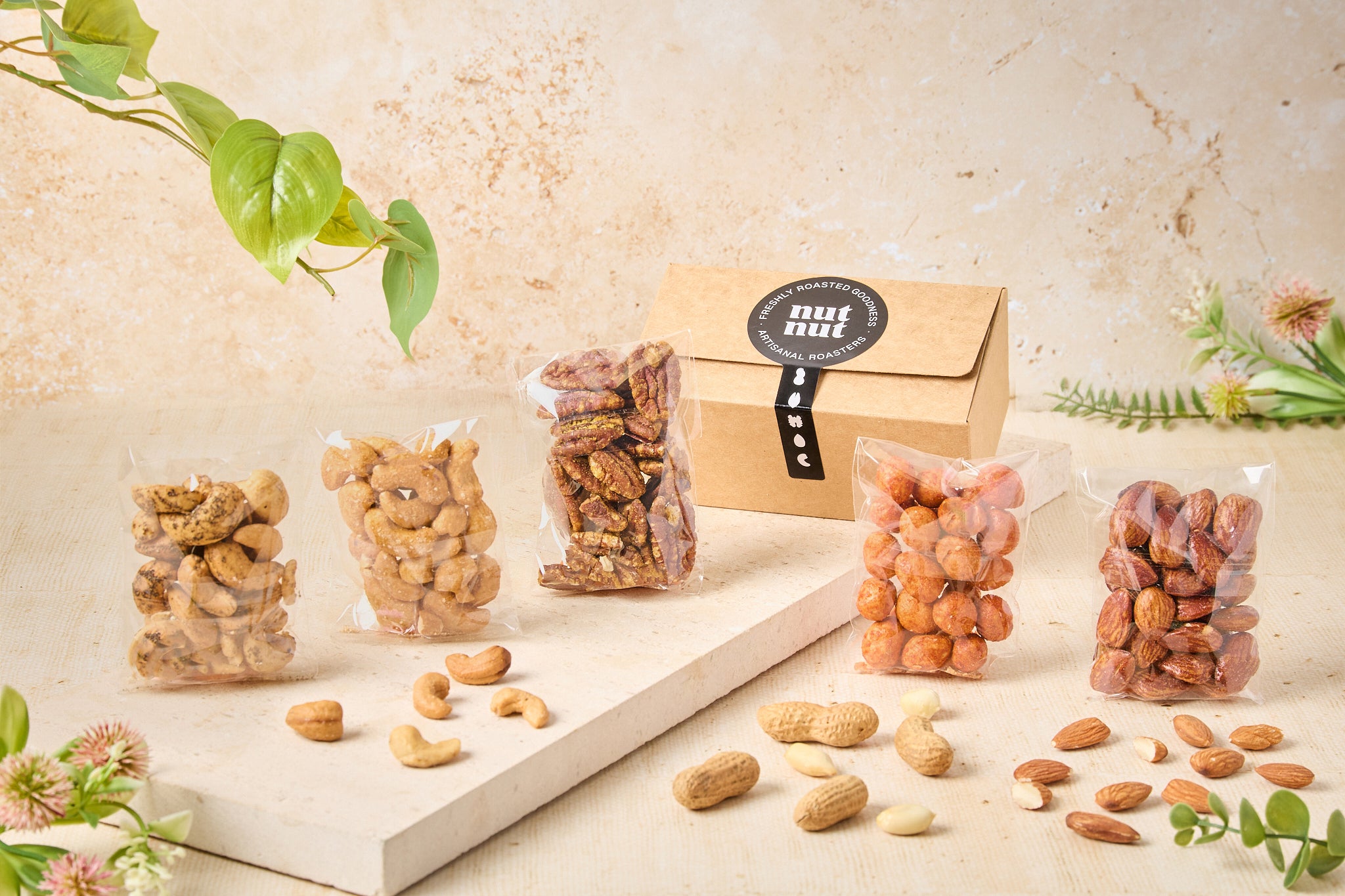
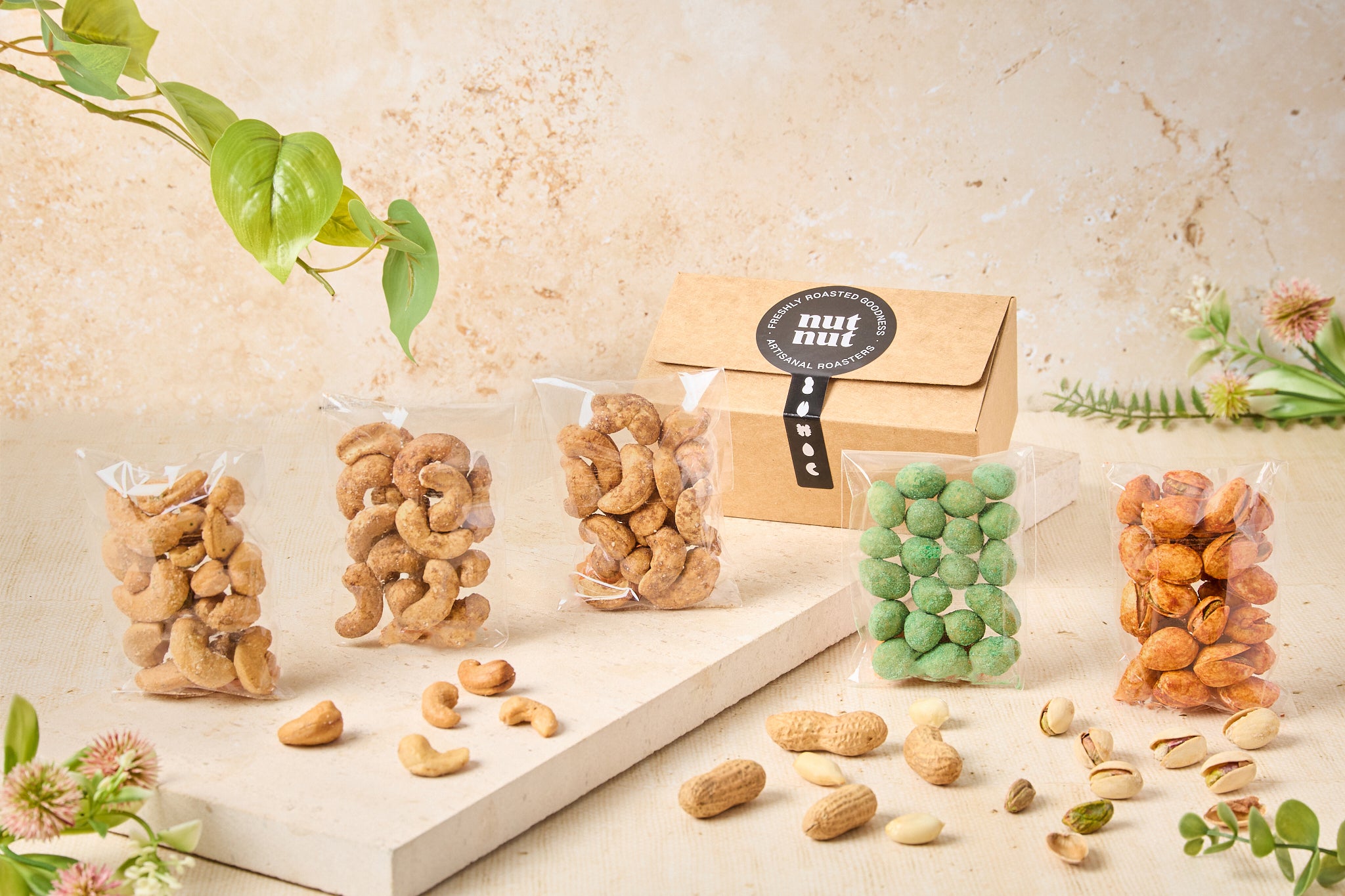
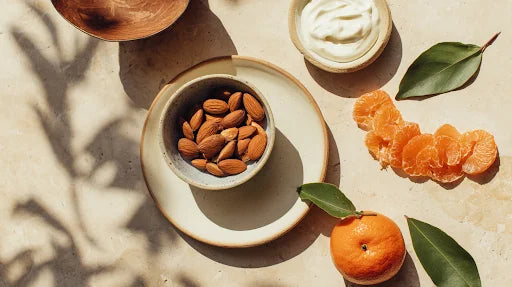
Roasting nuts is much more than a simple step in the production process: it's a chemical dance where science and gastronomy meet. In every golden almond, every crunchy hazelnut, or fragrant cashew nut, a fascinating transformation takes place, responsible for that comforting flavor we all associate with natural and artisanal products. That transformation has a name: the Maillard reaction.
But what exactly is it, and how does it influence the nutritional and sensory value of nuts? At Nutnut, where a passion for nuts meets scientific curiosity, we analyze this reaction in depth to understand how every minute and every degree of temperature tells a different story.
A reaction with a scientific heart and a gourmet soul
The Maillard reaction is named after Louis-Camille Maillard, a French chemist who, over a century ago, discovered that heating sugars and proteins together triggered a series of reactions that altered the color, aroma, and flavor of food. What he perhaps didn't imagine was that his discovery would define the character of such everyday foods as bread, coffee, and roasted nuts.
In nuts, this phenomenon occurs during roasting, when heat causes an interaction between natural sugars and the amino acids present in proteins. From that moment, multiple chemical reactions begin, generating hundreds of aromatic compounds and brown pigments called melanoidins. These melanoidins not only provide color and flavor but also have antioxidant properties that benefit health.
The result is as visible as it is delicious: golden tones, a crispier texture, and an irresistible aroma that can be perceived even before tasting them.
What the Maillard reaction contributes to the palate
One of the great attractions of roasting is its direct impact on the sensory experience. Raw nuts are already nutritious and flavorful, but roasting elevates them to another level. Thanks to the Maillard reaction, their characteristics change remarkably:
- Color : The golden and brown tones we so strongly associate with freshness are a direct result of melanoidins. This color not only indicates a thermal process, but also proper caramelization and the development of the ideal flavor.
- Flavor : The aromatic complexity increases. Sweet, salty, and toasted notes appear, enriching each bite and making the almonds, pistachios, or cashews seem more intense and balanced.
- Aroma : that warm fragrance that fills the air when we open a bag of freshly roasted nuts comes from the aromatic compounds produced by the Maillard reaction. It's a scent that invites, comforts, and awakens the appetite.
- Texture : the loss of moisture and the slight internal expansion generate a characteristic crunchiness that improves the sensation when chewing.
In short, the Maillard Reaction transforms raw materials into a multisensory experience that stimulates taste, smell, and touch.
Nutrition and Maillard: a balance of benefits and precautions
Although the Maillard reaction is primarily associated with flavor, it also influences the nutritional value of nuts. Do they lose properties? Do we gain something new? The answer lies in balance.
During roasting, some essential amino acids, such as lysine, can react with sugars, becoming less available to the body. This means that with excessive heat or time, the protein loses a small portion of its biological value. However, the amount affected is not significant from a dietary perspective, especially when roasted at controlled temperatures.
On the other hand, the Maillard reaction also generates antioxidant compounds. Melanoidins, in addition to providing the characteristic color, act as shields against oxidative stress, reinforcing the antioxidant capacity of roasted nuts. In other words, some of the changes that occur are compensated for by new benefits.
The well-known healthy fats, such as monounsaturated and polyunsaturated fats, are barely altered during the process. They remain stable if the toasting temperature is kept within appropriate ranges. Only prolonged exposure or excessive temperatures could damage some sensitive compounds.
At Nutnut, the philosophy is clear: technique should enhance the food, never compromise it. That's why controlling the time and temperature of the roasting process becomes a precise art form, where every second matters.
The importance of temperature control
Not all nuts react the same way to heat. Their chemical composition varies, and this modifies the intensity of the Maillard reaction.
-
Almonds , rich in protein, undergo a more intense reaction, developing complex flavors and a deep amber color.
-
Nuts , having less protein and more fat, show a more subtle evolution, with softer tones and delicate aromas.
- Cashews or hazelnuts , being intermediate, achieve a balance between sweetness and toastiness, perfect for those looking for a versatile aromatic profile.
This diversity necessitates adjusting the roasting temperature according to the type of nut. If the heat is too high or prolonged, compounds such as acrylamide can form, a substance being studied for its potential adverse effects. Although the amounts are usually minimal and safe when using modern techniques, at Nutnut the priority is always to protect both health and flavor, maintaining rigorous control of all parameters.
The ideal toasting is not measured only by time or color: it is measured by the harmony between science, safety and sensory pleasure.
A phenomenon with a history and a future
The Maillard reaction is not new, but our understanding of it is evolving as food technology advances. Today we know that it's not about avoiding it, but about mastering it. By controlling the process, we obtain high-quality nuts with a perfect balance of nutrition, flavor, and texture.
At Nutnut, this principle is fundamental. Each batch of nuts is roasted according to a precise protocol, tailored to each variety, with the aim of maximizing flavor without compromising nutrients. It's an exact science with an artisanal soul.
The current trend points towards sustainable and personalized roasting: more efficient processes, temperature curves adjusted with algorithms, and digital control of the optimal point for each type of nut. Thus, the Maillard reaction ceases to be a simple chemical reaction and becomes a tool for telling a story: that of the balance between nature, science, and human taste.
Beyond the laboratory: a sensory and emotional pleasure
Every time we eat a roasted nut, we participate in a small celebration of natural chemistry. That combination of color, aroma, and texture awakens emotions that transcend mere nutrition. It connects us with the pleasure of detail, with the feeling of authenticity, and with the idea that the simple can be extraordinary when prepared with care.
The Maillard reaction is, ultimately, a metaphor for what we stand for at Nutnut: that quality arises from the balance between nature and science, between respect for the product and perfection in the process. Because when each step is taken with precision and passion, the result is not only tasted, it is enjoyed with the senses and the mind.



Leave a comment
This site is protected by hCaptcha and the hCaptcha Privacy Policy and Terms of Service apply.