

Threonine is one of the nine essential amino acids, and in the world of nuts, it has a curious distinction: it’s the amino acid that’s most scarce relative to the body’s needs, making it what nutritionists call the “limiting amino acid” in this food group. At nutnut, we believe that understanding this helps you get much more out of your diet, and almonds and pine nuts are two of the most practical and accessible ways to incorporate it.
If you’re already familiar with our content on leucine in nuts or on lysine, you’ll know that each essential amino acid serves a distinct function and that none acts alone. Threonine is the piece that’s often missing to complete the picture, and knowing where to find it allows you to easily balance your intake by combining nuts with other foods throughout the day.
Unlike methionine, which is found in extraordinarily high concentrations in a single type of nut, threonine is distributed more evenly across varieties, and almonds and pine nuts represent two simple, versatile, and very Mediterranean ways to incorporate it into your daily routine.
What is threonine, and why is it essential?
Threonine is an essential amino acid that the body cannot synthesize and must obtain exclusively through the diet. It was one of the last essential amino acids to be identified, in the late 1930s, and since then it has been known that its role goes far beyond simply building proteins.
The recommended daily intake is approximately 15 mg per kilogram of body weight, which for a 70-kg person amounts to about 1,050 mg per day. Although no single serving of nuts alone meets this requirement, combining them with whole grains, legumes, or dairy products throughout the day makes it easy to reach this amount.
Functions of Threonine in the Body
Collagen and Elastin Formation
Threonine, along with glycine and proline, plays a role in the synthesis of collagen and elastin, the structural proteins that provide firmness and elasticity to the skin, tendons, and blood vessels. An adequate intake helps keep these tissues healthy as we age.
Mucin Production and Gut Health
A significant portion of mucin—the substance that coats and protects the mucosa of the digestive tract—is composed of threonine. This function links it directly to gut health, a topic we also explore when discussing nuts and the microbiota.
Immune System Support
Threonine is necessary for the production of immunoglobulins, the antibodies that defend the body against infections. A diet lacking in this amino acid can result in a less efficient immune response.
Fat Metabolism in the Liver
Together with methionine, threonine plays a role in hepatic lipid metabolism, helping to prevent excessive fat accumulation in the liver. This synergy between amino acids is a good example of why it’s beneficial to vary your sources of plant-based protein rather than relying on just one.
Why Threonine Is the Limiting Amino Acid in Nuts
When comparing the amino acid profile of nuts to that of a reference protein, such as egg protein, threonine is consistently the amino acid present in the lowest relative proportion. This doesn’t mean that nuts are a poor source of protein, but rather that if you relied solely on them to meet your threonine needs, you would need unrealistic amounts.
The practical solution is protein complementarity: combining nuts with whole grains, legumes, or dairy products throughout the day compensates for this shortcoming, because these foods tend to be richer in threonine. It’s the same logic we applied when discussing BCAAs in nuts: no single food has it all, but variety does.
Threonine in Nuts: Ranked from Highest to Lowest Content
The following ranking shows the amount of threonine per 100 grams of nuts. As with other amino acids, the values are approximate and vary depending on the variety and processing method.
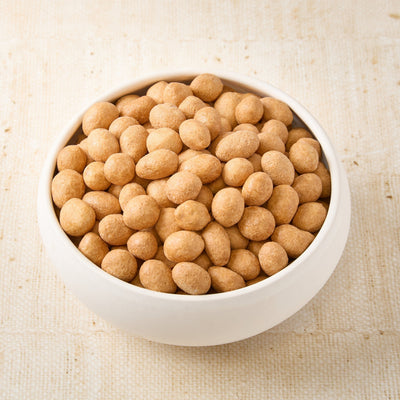
1. Peanuts: ~870 mg/100 g
Peanuts also top this list thanks to their extremely high overall protein content. Even so, their proportion of threonine relative to other amino acids remains, comparatively, lower than that of other nutrients they contain in greater quantities.
2. Pistachios: ~860 mg/100 g
Pistachios are practically on par with peanuts in terms of threonine, reinforcing their reputation as one of the nuts with the most complete and balanced amino acid profiles of all.
3. Cashews: ~740 mg/100 g
Cashews have the highest threonine density relative to their total protein content in the entire ranking, making them a very interesting addition to any mix.
4. Walnuts: ~620 mg/100 g
Walnuts provide a substantial amount of threonine along with their well-known profile of plant-based omega-3s—two more reasons to include them regularly in your diet.
5. Pine nuts: ~560 mg/100 g
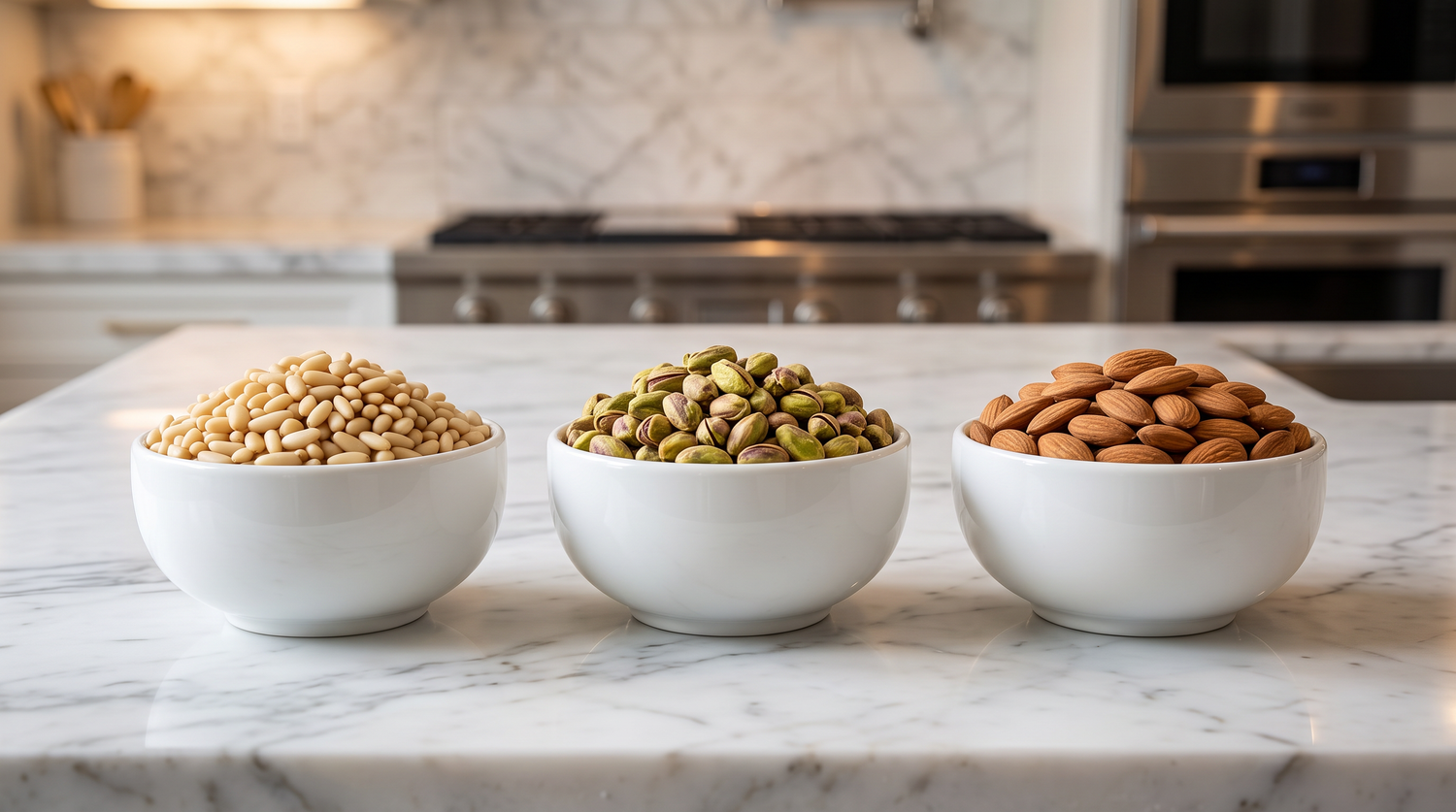
Pine nuts hold a very respectable middle ground. Their mild flavor and versatility in Mediterranean cuisine—from pesto to vegetable stews—make them one of the most natural ways to add threonine without even noticing it on your plate.
6. Almonds: ~550 mg/100 g
Almonds, the most widely consumed nut in Spain, provide a very similar amount of threonine to pine nuts. Their availability, affordability, and versatility—from breakfast to baking—make them one of the easiest ways to consistently incorporate this amino acid into your diet throughout the week.
7. Brazil nuts: ~530 mg/100 g
Brazil nuts provide a similar amount of threonine to almonds, and they also boast an extraordinary selenium content—an antioxidant mineral that few foods can match.
8. Hazelnuts: ~510 mg/100 g
Hazelnuts round out the middle of the table with a moderate threonine content, complemented by their high levels of vitamin E and folate.
9. Macadamia: ~180 mg/100 g
Macadamia nuts, consistent with their very low overall protein content, provide the least amount of threonine in the group. They remain, however, an exceptional source of monounsaturated fats.
How to Get the Most Out of Threonine in Nuts
The key to meeting your threonine needs isn’t found in any single type of nut, but rather in combining them with other foods rich in this amino acid throughout the day.
Breakfast: A handful of almonds paired with a dairy product or a fortified plant-based beverage provides threonine first thing in the morning, since dairy products are one of the richest sources of this amino acid.
Lunch: Add toasted pine nuts to a legume salad. Legumes are particularly rich in threonine, so pairing them with pine nuts perfectly rounds out the dish.
Afternoon snack: Pistachios or cashews—two of the best options for threonine content among nuts.
Dinner: A few sliced almonds sprinkled over a vegetable purée with whole grains round out the day, filling in the amino acid profile that nuts alone don’t quite cover.
At nutnut, we roast each variety by hand in small batches, preserving their nutritional profile as much as possible. Almonds and pine nuts, thanks to their versatility and constant presence in Mediterranean cuisine, are two of the most natural and flavorful ways to meet your daily threonine needs.


Leave a comment
This site is protected by hCaptcha and the hCaptcha Privacy Policy and Terms of Service apply.