

Iron is one of those minerals that almost everyone knows is important, but few know that not all dietary iron behaves the same. At nutnut, we find it in significant amounts in several nuts in our selection, with cashews and pine nuts leading the way. However, to make the most of it, it's important to first understand a key distinction that is almost never explained.
We've already discussed other minerals present in nuts, such as magnesium or selenium, and iron deserves the same level of detail, especially because it's one of the nutrients that most concerns those following vegetarian or vegan diets, or anyone with low levels detected in a blood test.
Before the ranking, it's worth clarifying why the iron in a cashew doesn't work exactly the same as the iron in a steak, and what you can do to help your body absorb it better.
What is iron and why is it an essential mineral?
Iron is an essential mineral that the body primarily needs to produce hemoglobin, the protein in red blood cells responsible for transporting oxygen from the lungs to the rest of the tissues. It also forms part of muscle myoglobin, participates in cellular energy production, and is necessary for the proper functioning of the immune system and certain cognitive functions.
The reference intake varies significantly by sex and life stage: it is around 11 mg daily for adult men and increases to 16 mg daily for women of childbearing age due to losses associated with menstruation. During pregnancy, needs increase even more, which should always be discussed with a healthcare professional.
Heme iron vs. non-heme iron: the distinction that changes everything
There are two types of iron in the diet. Heme iron, found exclusively in animal products like red meat or fish, is absorbed relatively easily, about 15-35% of what is ingested. Non-heme iron, found in plant foods like nuts, legumes, or whole grains, is absorbed in a much smaller proportion, generally between 2% and 20%, and this absorption largely depends on what else you eat in the same meal.
This does not mean that the iron in nuts is useless: it means you have to be more strategic about how you consume it. Vitamin C is by far the most effective enhancer of non-heme iron absorption, while tannins in tea and coffee, or calcium in very high doses, can reduce it if consumed in the same meal.
Functions of iron in the body
Oxygen transport
The most well-known function of iron is to be part of hemoglobin, without which red blood cells could not transport oxygen efficiently. A prolonged deficiency leads to iron-deficiency anemia, the most common nutritional deficiency worldwide, with symptoms such as fatigue, paleness, and difficulty concentrating.
Cellular energy production
Iron participates in the electron transport chain within mitochondria, the process by which cells generate energy. This is why one of the first symptoms of iron deficiency, even before anemia itself appears, is often persistent fatigue.
Immune system
Iron is necessary for the proliferation and maturation of immune cells. Both its deficiency and its excess can alter the body's response to infections, which underscores the importance of maintaining it within an adequate range, neither too low nor too high.
Cognitive function
The brain is an organ particularly sensitive to iron levels, which is involved in neurotransmitter synthesis and myelin maintenance. Iron deficiencies, even mild ones, have been linked in various studies to a reduced ability to concentrate.
Iron in nuts: ranking from highest to lowest content
The following ranking shows the amount of iron per 100 grams of nuts. As with other nutrients, the values are approximate and vary depending on the variety and processing.
1. Cashews: ~6 mg/100 g
Cashews top the iron ranking among nuts, also adding zinc and magnesium, a particularly interesting mineral profile for plant-based diets.
2. Pine nuts: ~5.5 mg/100 g
Pine nuts provide a surprisingly high amount of iron, a good additional reason to incorporate them beyond their usual culinary use in Mediterranean cuisine.
3. Hazelnuts: ~4.7 mg/100 g
Hazelnuts are at the top of the ranking, complementing their iron with a remarkable richness in vitamin E and folate.
4. Peanuts: ~4.6 mg/100 g
Although botanically legumes, peanuts provide a very respectable amount of iron, consistent with their high-protein nutritional profile.
5. Pistachios: ~4 mg/100 g
Pistachios add iron to an already very complete profile, with a good presence of potassium, vitamin B6, and fiber.
6. Almonds: ~3.7 mg/100 g
Almonds, the most consumed nut in Spain, provide a solid amount of iron, reinforcing their role as one of the most nutritionally complete nuts.
7. Walnuts: ~2.9 mg/100 g
Walnuts add iron to their well-known profile of plant-based omega-3s, an interesting combination for cardiovascular health.
8. Macadamia: ~2.7 mg/100 g
Macadamia provides a more moderate amount of iron, consistent with a nutritional profile primarily focused on monounsaturated fats.
9. Brazil nuts: ~2.4 mg/100 g
Brazil nuts close the ranking in iron, though they more than compensate thanks to their extraordinary content of selenium and magnesium.
How to better absorb iron from nuts
Given that non-heme iron is less well absorbed, the most effective strategy is not just to choose nuts with the highest quantity, but to combine them well.
-
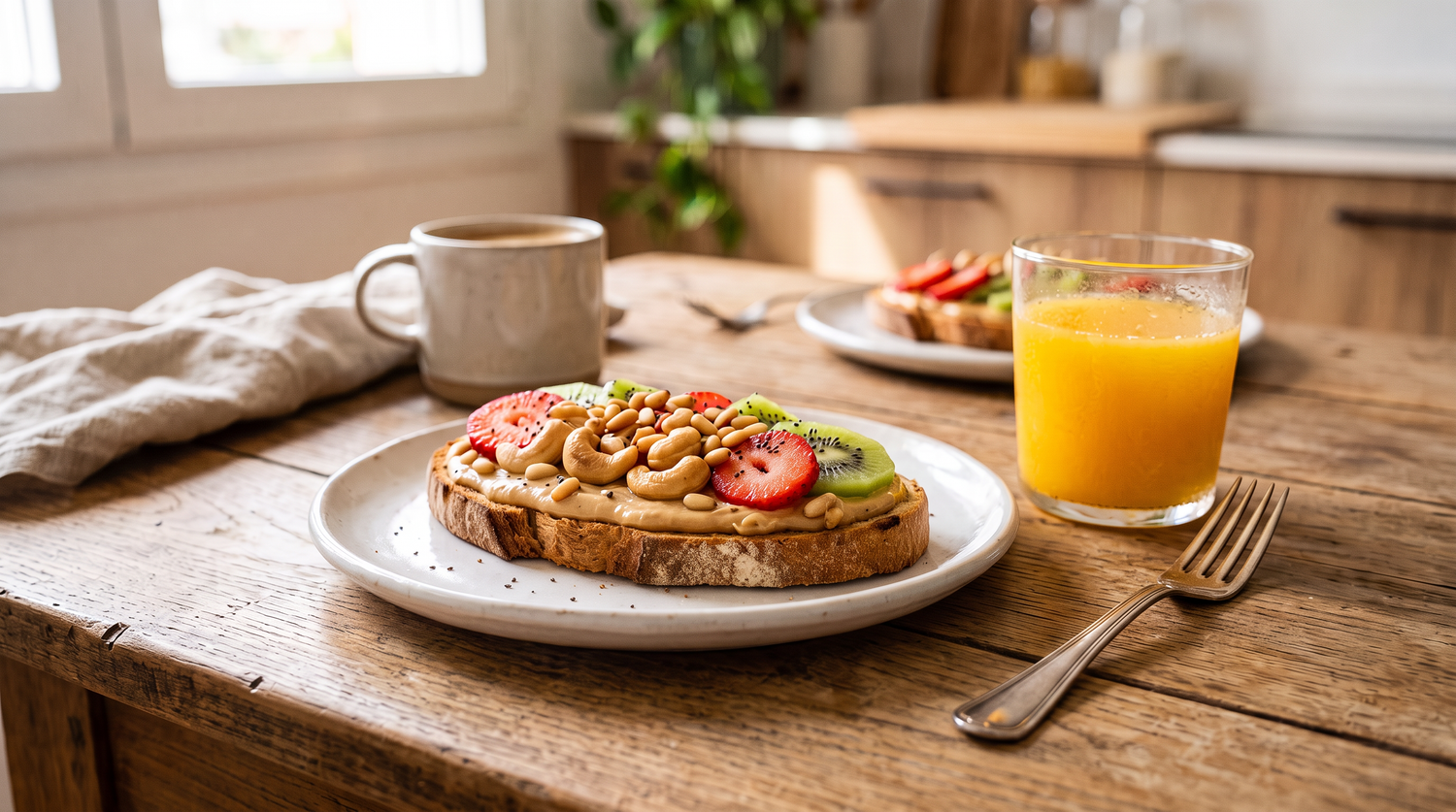
Breakfast: cashews or pine nuts along with a piece of fruit rich in vitamin C, such as an orange or kiwi, to multiply iron absorption.
-
Mid-morning snack: hazelnuts or peanuts, avoiding them right after coffee or tea, which can reduce iron absorption.
-
Lunch: Chopped pistachios or almonds on a salad with bell pepper or tomato, both rich in vitamin C.
-
Light dinner: Chopped walnuts on a vegetable cream soup, easily adding iron at the end of the day.
If you have confirmed low iron levels in a blood test, nuts are a good dietary supplement, but they do not replace a medical evaluation or, if appropriate, supplementation prescribed by a professional. At nutnut, we roast each variety artisanally and in small batches, ensuring that minerals like iron reach your plate as intact as possible.


Leave a comment
This site is protected by hCaptcha and the hCaptcha Privacy Policy and Terms of Service apply.