



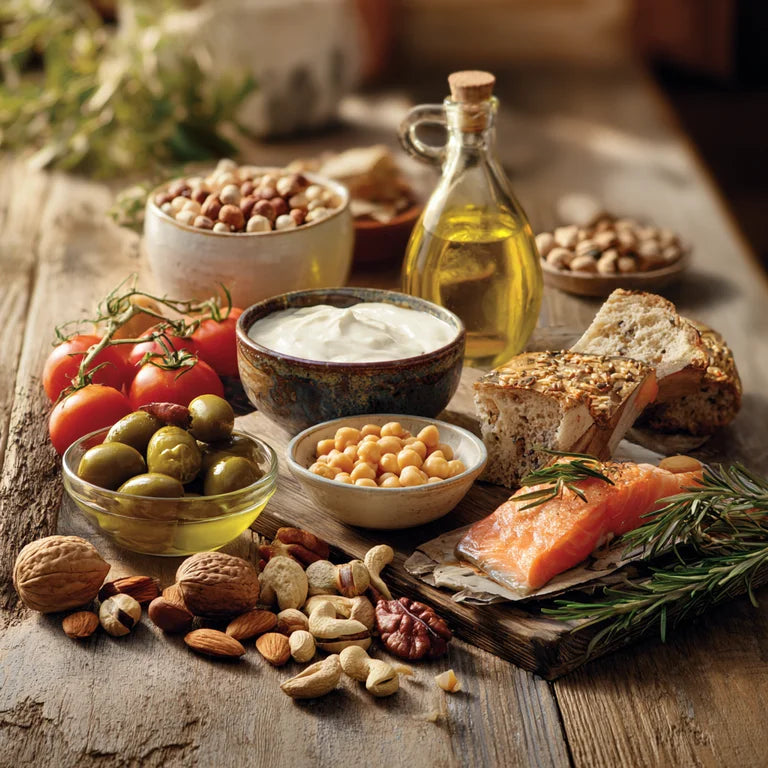
The Mediterranean diet is recognized worldwide as one of the healthiest and most sustainable dietary models. It is based on fresh, natural ingredients and the culinary traditions of the Mediterranean basin, including fruits, vegetables, whole grains, legumes, olive oil, and especially nuts. Nuts not only provide delicious flavor and texture but are also a fundamental pillar of health and well-being thanks to their unique nutritional profile.
Importance of nuts in the Mediterranean diet
Nuts, such as almonds, walnuts, hazelnuts, pistachios, cashews, and peanuts, are an integral and traditional part of the Mediterranean diet. They are consumed both as snacks and as ingredients in salads, main dishes, desserts, and healthy snacks. The Mediterranean Diet Foundation and the Spanish Society of Community Nutrition recommend their regular consumption, between 3 and 7 servings per week, reflecting how these foods enrich the Mediterranean dietary pattern with essential nutrients.
These nuts are characterized by their high content of healthy fats, especially monounsaturated and polyunsaturated fats, including omega-3 and omega-6 fatty acids, which contribute to cardiovascular health and reduce inflammation. They are also an excellent source of plant-based protein, fiber, vitamins such as vitamin E, and minerals like magnesium, potassium, and calcium—essential elements for the proper functioning of the body.
Key nutritional benefits
- Healthy fats: Almonds, hazelnuts, and pistachios are rich in oleic acid, while walnuts are particularly known for their alpha-linolenic acid content, a type of omega-3 crucial for heart health.
- High-quality proteins : Their protein content makes them allies for vegetarian or vegan diets, helping to meet daily needs for essential amino acids.
- Dietary fiber: Promotes digestion, blood sugar control, and a feeling of fullness, which helps with weight management. Vitamins and minerals: Regular consumption contributes to bone, muscle, and immune health thanks to minerals like magnesium and antioxidant vitamins like vitamin E.
Scientific evidence and health
Numerous scientific studies support the benefits of including nuts in the Mediterranean diet. Research such as the PREDIMED study has shown that consuming a handful of nuts daily can significantly reduce the risk of cardiovascular disease, metabolic syndrome, and type 2 diabetes. Despite being energy-dense, a balanced intake does not lead to weight gain; instead, it improves parameters such as abdominal circumference and triglyceride levels.
These benefits are attributed to the combination of healthy fats, antioxidants, and fiber that work synergistically to improve metabolic health and reduce chronic inflammation, one of the main risk factors for modern chronic diseases.
How to introduce nuts into the Mediterranean diet
Nuts can be consumed in many ways within the Mediterranean diet. Here are some ideas to make the most of their benefits:
- Enjoy a handful of almonds as a snack or between meals.
- Add Add chopped pistachios to fresh salads or vegetable dishes.
- Incorporate hazelnuts into desserts or yogurts to add texture and flavor.
- Prepare sauces or creams with cashews for spreading or cooking.
- Consume nuts in breakfasts along with cereals or in nut mixes.
-
Add peanuts to Mediterranean-inspired dishes or as a snack between meals.
These additions not only enhance the variety and flavor of the diet but also provide essential nutrients that strengthen long-term health.
Sustainability and conscious consumption
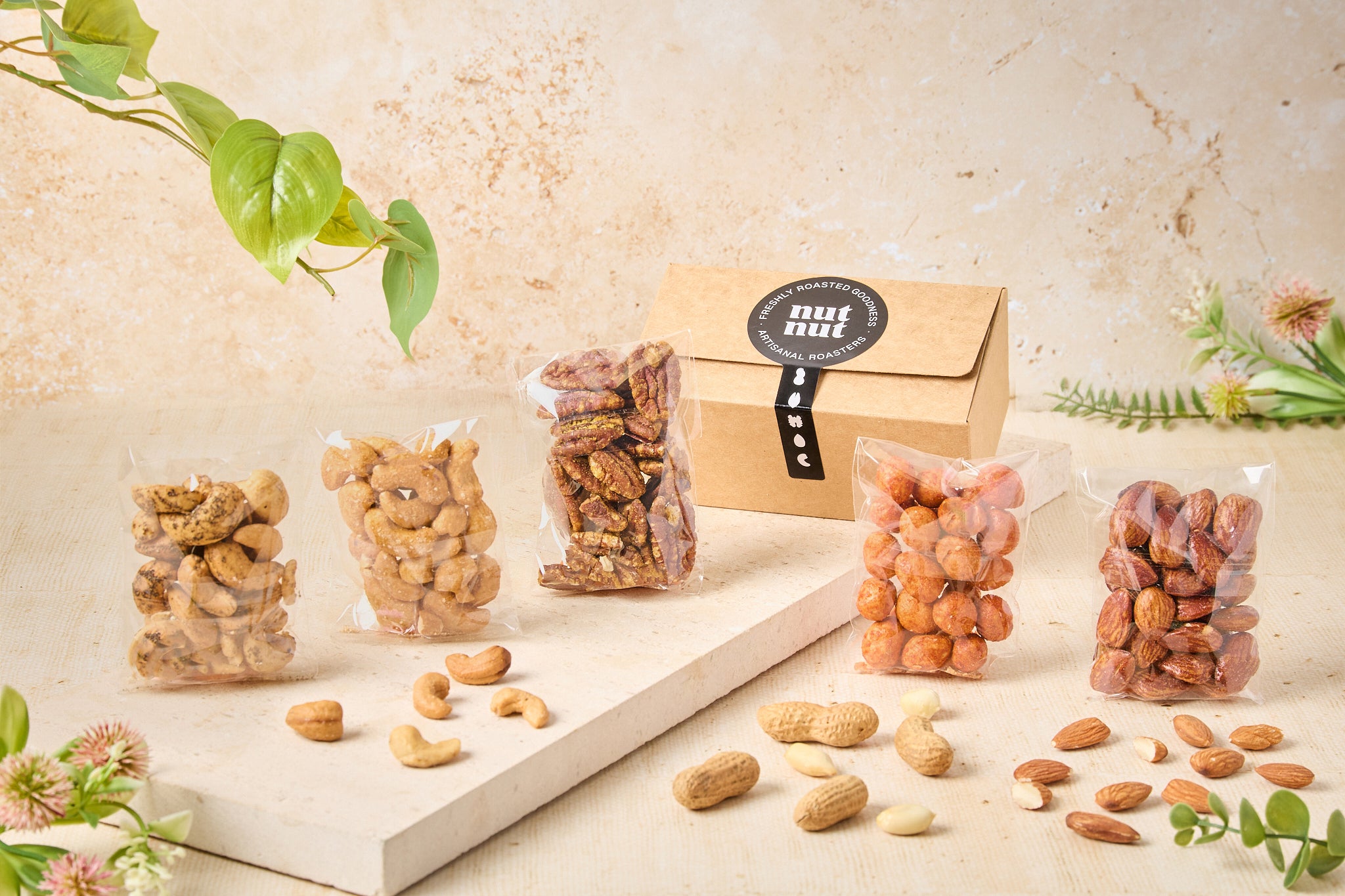
The Mediterranean diet not only promotes individual health but also a sustainable food model. Nuts, consumed in moderation and preferably of local or sustainable origin, contribute to reducing the environmental footprint. Nutnut offers products that, in addition to guaranteeing quality, are committed to responsible production methods, with a wide and varied range to facilitate responsible and accessible consumption.
Conclusion
Nuts are a staple of the Mediterranean diet, not only for their nutritional value but also for their role in cardiovascular and metabolic health. Consumed regularly and in moderation, in the form of various products such as almonds, walnuts, hazelnuts, pistachios, cashews, and peanuts, they perfectly complement the healthy and sustainable eating style characteristic of the Mediterranean. Incorporating them into your daily routine allows you to enjoy their many benefits while caring for the planet and promoting a long and healthy life.
For those who want to join this healthy habit, Nutnut offers a premium selection of nuts that fit perfectly with the Mediterranean diet and with a commitment to sustainability and quality.


Leave a comment
This site is protected by hCaptcha and the hCaptcha Privacy Policy and Terms of Service apply.