




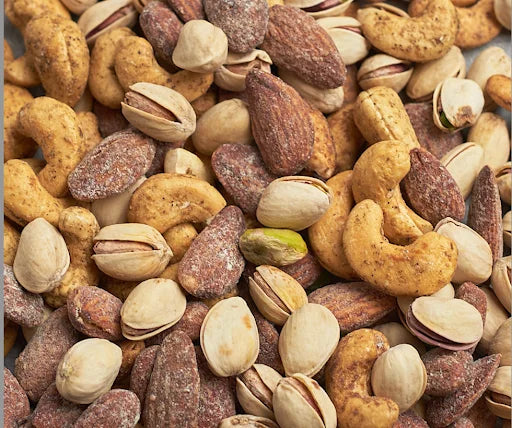
Vitamin E is an essential nutrient known for its powerful antioxidant properties , which protect our cells from damage caused by free radicals. Incorporating foods rich in vitamin E into our daily diet is fundamental for maintaining good health. Among these foods, nuts stand out not only for their vitamin E content but also for offering a variety of additional benefits.
Benefits of vitamin E
Vitamin E plays multiple crucial roles in the body:
- Natural Antioxidant: Protects cell membranes from damage caused by free radicals, helping to prevent premature aging and reducing the risk of chronic diseases.
- Strengthening the Immune System: Contributes to improving the immune response, helping the body to fight infections and diseases more effectively.
- Skin and Eye Health: It is essential for maintaining healthy skin, protecting it from damage caused by UV rays, and helps prevent eye diseases such as cataracts.
Nuts: rich sources of vitamin E
Nuts are an excellent source of vitamin E. Some of the most notable are listed below:
Almonds
Almonds are especially rich in vitamin E, providing approximately 24.2 mg per 100 grams. Incorporating a handful of almonds into your daily diet can be an effective way to reach the recommended intake of this vitamin .
Hazelnuts
Hazelnuts are also an excellent source of vitamin E, containing around 15.3 mg per 100 grams. In addition to their vitamin content, hazelnuts provide healthy fats and fiber, contributing to a balanced diet .
Peanuts
Peanuts are also an excellent source of vitamin E, providing 8.3 mg per 100 grams, which is approximately 55% of the recommended daily intake. This nut , technically a legume, is known for its versatility in cooking and its ability to provide a significant dose of vitamin E in an accessible way. The vitamin E in peanuts is primarily in the form of alpha-tocopherol, the most bioavailable and active form of this vitamin, meaning our bodies can absorb it more efficiently. Furthermore, the natural combination of vitamin E with the healthy fats present in peanuts enhances its absorption, maximizing its antioxidant benefits and its ability to protect cells against oxidative damage.
How to incorporate nuts into your daily diet
Incorporating nuts into our daily diet is simple and versatile. Here are some suggestions:
- Breakfasts and Snacks: Adding a handful of almonds or hazelnuts to a bowl of natural yogurt or oatmeal provides a nutritious and energetic boost to start the day.
- Salads: Sprinkling chopped nuts over green salads adds a crunchy texture and enriches the nutritional content of the dish.
- Healthy Snacks: Carrying a mix of nuts as a snack can be a healthy option to calm hunger between meals, providing energy and essential nutrients.
- Main Dishes: Incorporating nuts into main dish recipes, such as stews or stir-fries, can enhance the flavor and nutritional value of meals.
Recommendations and precautions
Although nuts are beneficial for health, it's important to consume them in moderation due to their high calorie content. A daily serving of approximately 30 grams is recommended, which is equivalent to a small handful. Furthermore, it's preferable to choose unsalted and sugar-free versions to maximize their benefits.
For people with nut allergies, it is essential to consult with a healthcare professional before incorporating nuts into their diet.
Conclusion
Vitamin E is an essential nutrient with numerous health benefits, and nuts are an excellent source of this vitamin. Incorporating a variety of nuts into our daily diet can help us meet our nutritional needs and promote optimal health. As always, it's advisable to maintain a balanced diet and consult with healthcare professionals or nutritionists for personalized recommendations.


Leave a comment
This site is protected by hCaptcha and the hCaptcha Privacy Policy and Terms of Service apply.