

Spending many hours between meals doesn't have to lead to cravings, energy slumps, or unplanned snacking. If you choose wisely, you can snack between meals without causing sugar spikes and, furthermore, maintain a more stable feeling of fullness throughout the day.
Why avoid sugar spikes
When a snack provides mostly fast sugars, blood glucose rises quickly and can then fall just as fast. This fluctuation is often accompanied by hunger, fatigue, decreased concentration, and a greater desire to keep snacking.
Therefore, between meals, it's advisable to opt for foods that combine healthy fats, fiber, and, if possible, some plant-based protein. This mixture helps slow down carbohydrate absorption and maintain more stable energy levels.
Nuts as the best base
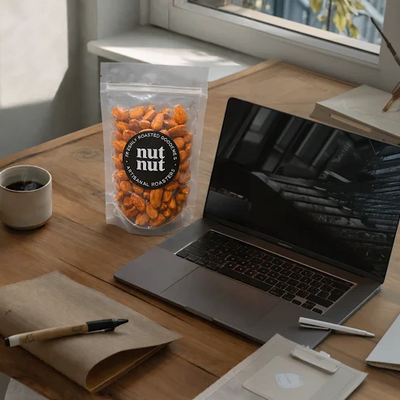
Nuts are one of the most practical options for this type of snack because they don't require refrigeration, are easy to transport, and offer a much more balanced energy release than other common snacks.
Additionally, they provide satiety thanks to their fiber content, quality fats, and plant-based protein. This makes them a very interesting alternative for the office, working from home, or any time of day when you need to snack without disrupting your appetite.
Best options to avoid sharp increases
Not all snacks work the same. If your goal is to avoid sugar spikes, these nut options are especially useful:
-
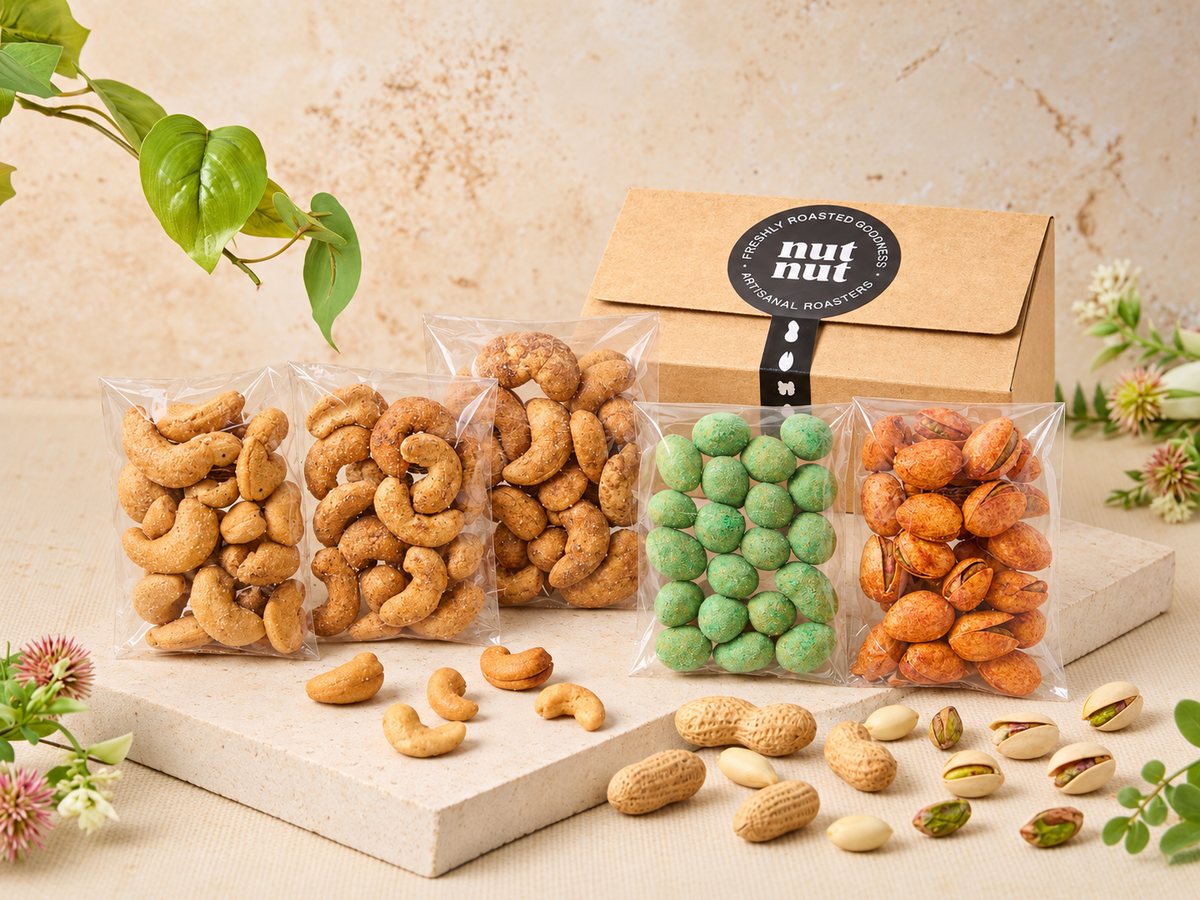
Almonds, because they provide satiety, vitamin E, and a very balanced combination of fat and fiber.
-
Walnuts, ideal for their healthy fat profile and their more satiating effect in mid-morning or afternoon snacks.
-
Pistachios, a good choice if you want to better control the quantity and maintain a more conscious pause.
-
Peanuts, especially useful if you are looking for a more protein-rich and very practical option to carry with you.
-
Cashews, with a soft texture and a composition that works well in small portions.
-
Hazelnuts, perfect to eat alone or mixed with other varieties.
Smart combinations
If you want to avoid sugar spikes more effectively, it's best not to eat nuts in isolation as your only resource all the time, but to combine them strategically.
Some simple ideas:
-
Natural nuts with a whole fruit, preferably one rich in fiber.
-
A mix of almonds and walnuts for a more satisfying break.
-
Pistachios with hazelnuts for an easy and quick snack.
-
Natural peanuts with an unsweetened herbal tea or coffee.
-
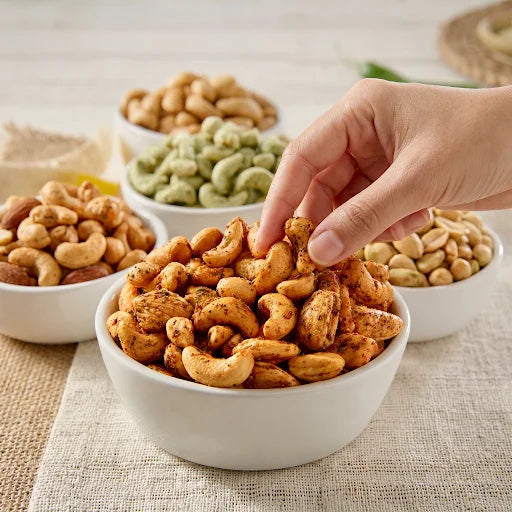
A mix of lightly roasted nuts to have a stable option throughout the week.
The key is that the snack doesn't rely solely on sweet flavor, but on a more complete nutritional balance.
What to avoid between meals
If you want to keep your glucose more stable, it's advisable to minimize snacks that combine refined sugar and highly processed flours. Pastries, cookies, sugary bars, or puffed cereals often provide a quick energy boost, but it's short-lived and promotes subsequent hunger.
You also need to watch out for some "healthy snacks" that aren't actually that healthy: sugary yogurts, very sweet granolas, or nut mixes with excessive chocolate can spike glucose more than it seems.
Ideal quantity
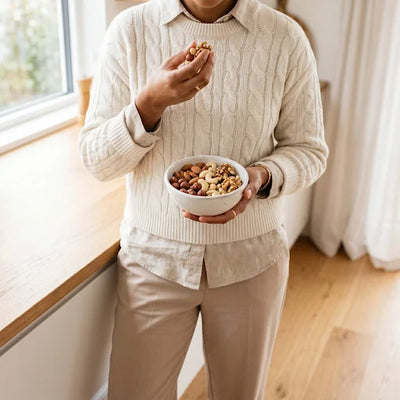
With nuts, quantity is still important. A serving of about 25 to 30 grams is usually enough to feel satisfied and have sustained energy without overdoing calories.
This amount works well as a snack between meals because it avoids both excessive snacking and feeling like you haven't had enough. If you also eat it slowly, the satiating effect will be greater.
When to eat them
Timing also plays a role. A small nut snack can work very well mid-morning, mid-afternoon, or even before a long meeting if you know you'll be going several hours without eating.
During these times, nuts help prevent the typical energy slump that leads to impulsively seeking something sweet. Having an option prepared makes it easier to maintain control effortlessly.
A simple way to eat better
It's not about complicating things or having a perfect diet. It's about having real alternatives on hand that help you get to the next meal with more stability, less anxiety to snack, and an overall better feeling.
Nuts fit very well into this idea because they are easy to store, don't need refrigeration, and adapt to different times of the day. If you make them your regular snack, it's much easier to stay away from sugar spikes and snacks that only provide momentary energy.
A habit that truly adds value
Choosing what you eat between meals can significantly change how you feel throughout the day. A balanced snack not only prevents hunger, but also improves concentration, reduces impulsive snacking, and helps you maintain a more organized eating pattern.
Therefore, nuts are not just a practical resource: they are an intelligent solution for those who want to eat better without relying on the refrigerator, without complications, and without sudden sugar spikes.


Leave a comment
This site is protected by hCaptcha and the hCaptcha Privacy Policy and Terms of Service apply.