

Lysine is an essential amino acid that the body does not produce and must be obtained from the diet, fundamental for protein synthesis and key functions such as muscle growth. At nutnut, we see it as the basic building block of tissues and defenses, especially interesting in nuts where it complements other amino acids such as leucine. Although in smaller quantities than in meats, its presence in almonds or pistachios makes it valuable for balanced plant-based diets.
What is lysine and why is it essential?
Lysine, or L-lysine, is one of the nine essential amino acids that our body does not synthesize, so it relies on protein-rich foods to obtain it. It participates in collagen production, essential for skin, bones, and tendons, and promotes calcium absorption to maintain strong bones. At nutnut, we highlight its role in nitrogen balance, an indicator of efficient protein synthesis, similar to how we explain leucine in nuts for muscle recovery.
In nuts, lysine appears within their protein fraction, albeit in moderate proportions (around 0.5–0.8 g per 30 g of almonds or peanuts). This positions it as a support in daily snacks, combined with healthy fats and magnesium that enhance its absorption. If you've read about isoleucine in nuts, you'll know that amino acids like lysine work as a team, sharing tasks: it builds structure while others activate energy.
Properties and benefits in the body
Lysine is involved in multiple processes: it forms antibodies for the immune system, produces carnitine to burn fat, and generates hormones and enzymes. It helps against cold sores by blocking viral arginine, reduces stress by modulating serotonin and cortisol, and accelerates wound healing. In athletes, it promotes post-workout muscle regeneration, as well as the benefits we detail in nuts for performance.
Its indirect antioxidant properties strengthen defenses against free radicals from intense exercise, aligning with polyphenols and vitamin E in nuts. Studies support its role in osteoporosis by preventing bone loss, ideal for older adults or athletes on a Mediterranean diet. In children, it supports growth, like nuts recommended for kids.
Lysine in nuts: how much do they really provide?
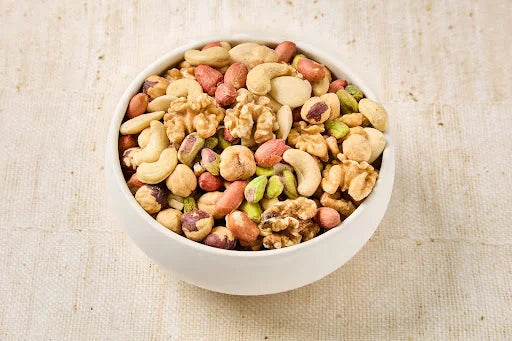
Although they are not top sources (meat and dairy lead), nuts add lysine in a practical way:
- Almonds: High in protein (6 g/30 g), with ~0.6 g lysine; ideal protein base.
- Peanuts: Protein leaders (7-8 g/30 g), ~0.7 g lysine; powerful for muscle building.
- Pistachios: ~0.5 g/30 g, with potassium for recovery.
- Cashews: Good profile (~0.5 g), combine with iron for energy.
- Hazelnuts and walnuts: Moderate (~0.4 g), rich in complementary omega-3s.
These values do not reach thresholds alone (2–3 g/meal for maximum synthesis), but in daily rotation, total amounts increase. Note: roasting via the Maillard reaction slightly reduces the amount of lysine by reacting with sugars, but in controlled processes (like nutnut), nutrition is preserved.
Impact on athletic performance and recovery
Post-workout, lysine repairs tissues along with leucine and isoleucine from nuts, activating mTOR for hypertrophy. It reduces DOMS and fatigue, with zinc and magnesium that combat cramps. In endurance, its allied carnitine burns fats preserving glycogen, like omega-3s from walnuts.
For vegans and athletes, a handful (25–30 g) pre or post-workout combined with legumes covers needs without supplements. Studies link lysine to better exercise tolerance and cardiovascular recovery.
How to use lysine from nuts in your daily life
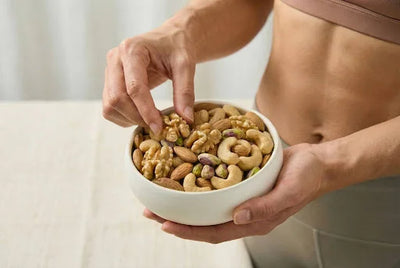
Incorporate as in the Mediterranean diet: breakfast with yogurt and almonds, a snack of pistachios, dinner with hummus and peanuts. Pre-workout: cashews with fruit for sustained energy; post-workout: mix with quinoa. In children, mild mixtures for growth.
Avoid excesses (30 g/day is optimal) and combine varieties for antioxidant synergy. At nutnut, we offer premium roasted nuts and raw nuts preserving lysine, without added sugars or oils.
In summary, lysine elevates nuts from a snack to a protein tool, aligned with sustainability and Mediterranean health. Choose quality to maximize their benefits!



Leave a comment
This site is protected by hCaptcha and the hCaptcha Privacy Policy and Terms of Service apply.