


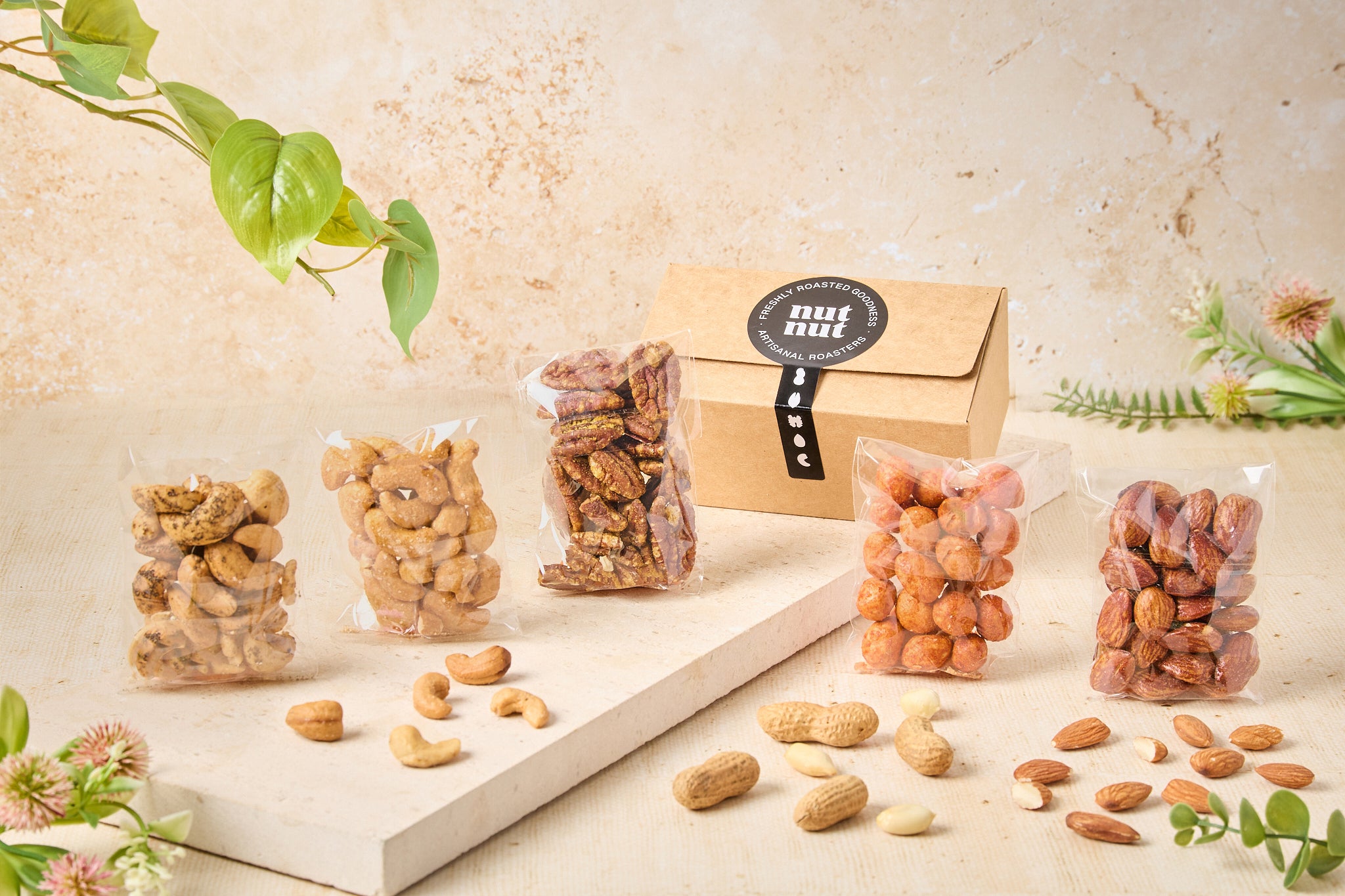
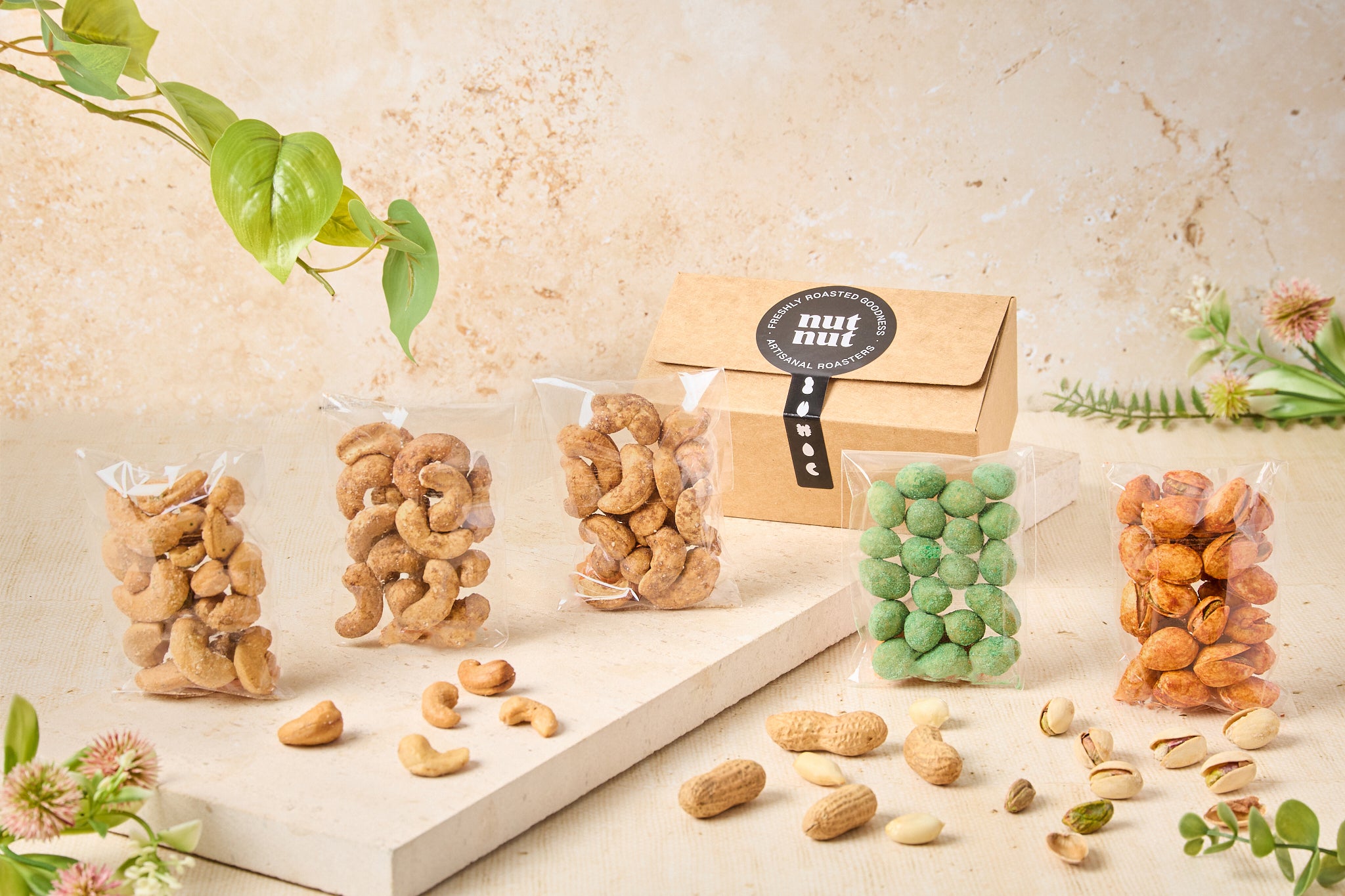
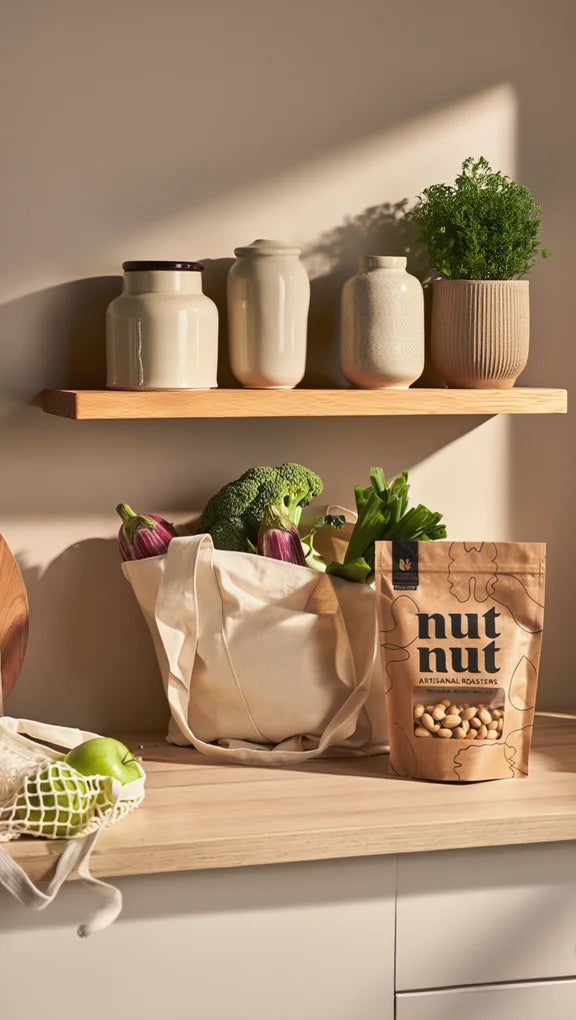
Nuts not only delight the palate with their crunchy texture and unparalleled flavor, but they also act as true allies for the gut microbiota, that essential microbial ecosystem in our intestines that regulates digestion, the immune system, and even mood. At Nutnut , where we celebrate the nutritional versatility of these natural treasures, we explore how their regular consumption can transform the gut bacterial composition, promoting beneficial bacteria thanks to their richness in prebiotic fiber, polyphenols, and healthy fats. This article unravels the connection between nuts and the gut microbiota, inspired by scientific evidence and the practical style of our previous content on nutrition and wellness.
What is the gut microbiota and why does it matter?
The gut microbiota comprises trillions of microorganisms, primarily bacteria, that inhabit the digestive tract and form a dynamic ecosystem crucial for human health. These bacteria ferment indigestible fibers, producing short-chain fatty acids (SCFAs) such as butyrate, which nourish intestinal cells, reduce inflammation, and strengthen the mucosal barrier. An imbalance, known as dysbiosis, is associated with problems such as obesity, type 2 diabetes, inflammatory bowel diseases, and even cognitive impairment, according to studies linking a diverse microbiota to better brain function. Maintaining a balanced gut microbiota through diet is essential, and this is where nuts come into play as natural prebiotics that selectively feed bacteria such as Bifidobacterium and Lactobacillus.
How nuts nourish the microbiota
Nuts are notable for their high content of soluble and insoluble fiber, polyphenols, and non-digestible bioactive compounds that reach the colon intact, where they serve as a substrate for microbial fermentation. This prebiotic fiber promotes the growth of short-chain fatty acid (SCFA)-producing bacteria, improving the alpha and beta diversity of the gut microbiota, as demonstrated by systematic reviews on almonds and pistachios. Furthermore, their monounsaturated and polyunsaturated fats exhibit anti-inflammatory effects that soothe the digestive tract, while antioxidants such as vitamin E and resveratrol protect intestinal cells from oxidative stress. Studies such as the one published in The Journal of Nutrition reveal that 42 g of nuts daily increases beneficial bacteria, contributing to better overall gut health .
Scientific evidence: key studies on nuts and microbiota
Clinical research confirms the modest but consistent impact of nut consumption on the gut microbiota. A trial with pistachios showed an increase in butyrate-producing bacteria, even surpassing almonds, thanks to their prebiotic fiber that promotes intestinal transit and reduces the risk of digestive diseases.
The review by Lamuel-Raventós et al. (2017) highlights the prebiotic properties of polymerized polyphenols and non-bioaccessible polysaccharides in nuts, which modulate bacterial enzymes and reduce procarcinogenic activities such as β-glucuronidase. In the context of the Mediterranean diet, 3–7 servings per week are linked to a more diverse gut microbiota and cognitive benefits mediated by the gut-brain axis.
-
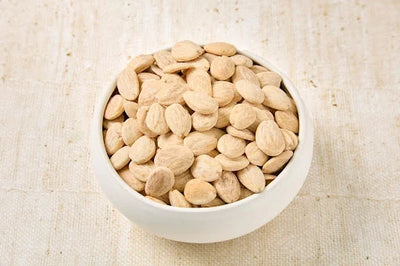
Almonds : With 3.5g of fiber per 30g, they promote Bifidobacterium and increase alpha diversity of the microbiota.
-
Nuts : They provide 2.0 g of fiber per 30 g serving, promote Clostridium and Roseburia, improving the production of short-chain fatty acids (SCFAs).
-
Pistachios : They offer 2.9g of fiber per 30g, stimulate butyrate-producing bacteria, and reduce intestinal inflammation.
-
Hazelnuts : They contain 2.7g of fiber per 30g, support Lactobacillus and strengthen the intestinal barrier.
Star nuts for your gut microbiota
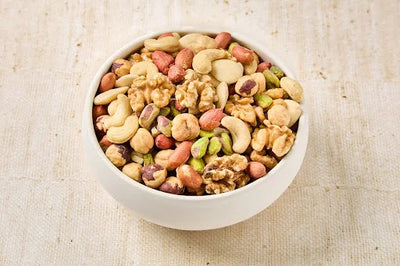
Each type of nut offers a unique profile that enriches the gut microbiota in a complementary way, ideal for creating personalized blends. Almonds, with their polyphenol-rich skin, act as potent prebiotics, increasing the abundance of beneficial bacteria after six weeks of consumption, according to almond skin studies. Walnuts are notable for their omega-3 fatty acids and fiber, which shift beta-diversity, favoring anti-inflammatory bacteria. Pistachios and hazelnuts add insoluble fiber to regulate digestion and prebiotics that feed good bacteria, preventing constipation. Peanuts and cashews, although less studied in this area, contribute proteins and minerals that support mucosal integrity, aligning with their roles in muscle recovery and antioxidant activity. At Nutnut, we recommend carefully roasted varieties to preserve these compounds, as we explained in our article on the Maillard reaction.
Benefits beyond the gut
An optimized gut microbiota thanks to nuts goes beyond digestion: it improves the absorption of nutrients like calcium and magnesium, regulates body weight, and reduces visceral fat. In athletes, it accelerates recovery by modulating post-exercise inflammation, complementing the effects of leucine and isoleucine. For children and adults following a Mediterranean diet, it strengthens immunity and overall well-being, aligning with responsible eating patterns. Studies associate these microbial changes with a lower risk of cardiovascular disease and improved cognition.
Practical ideas for including them daily
Incorporating nuts into your routine is simple and delicious, maximizing their prebiotic impact. Try a handful (25-30 g) of almonds and walnuts at breakfast with natural yogurt to encourage nighttime fermentation. Add chopped pistachios to salads or vegetable soups to boost soluble fiber. Mixtures with hazelnuts and cashews make a great pre-workout snack, supporting performance and gut microbiota. In Mediterranean desserts, sprinkle roasted peanuts over fresh fruit. Consume 3-7 servings per week, prioritizing sustainable sources like Nutnut, for an unbeatable gut-health axis. Consistency transforms your microbiome, boosting overall well-being without complications.


Leave a comment
This site is protected by hCaptcha and the hCaptcha Privacy Policy and Terms of Service apply.