


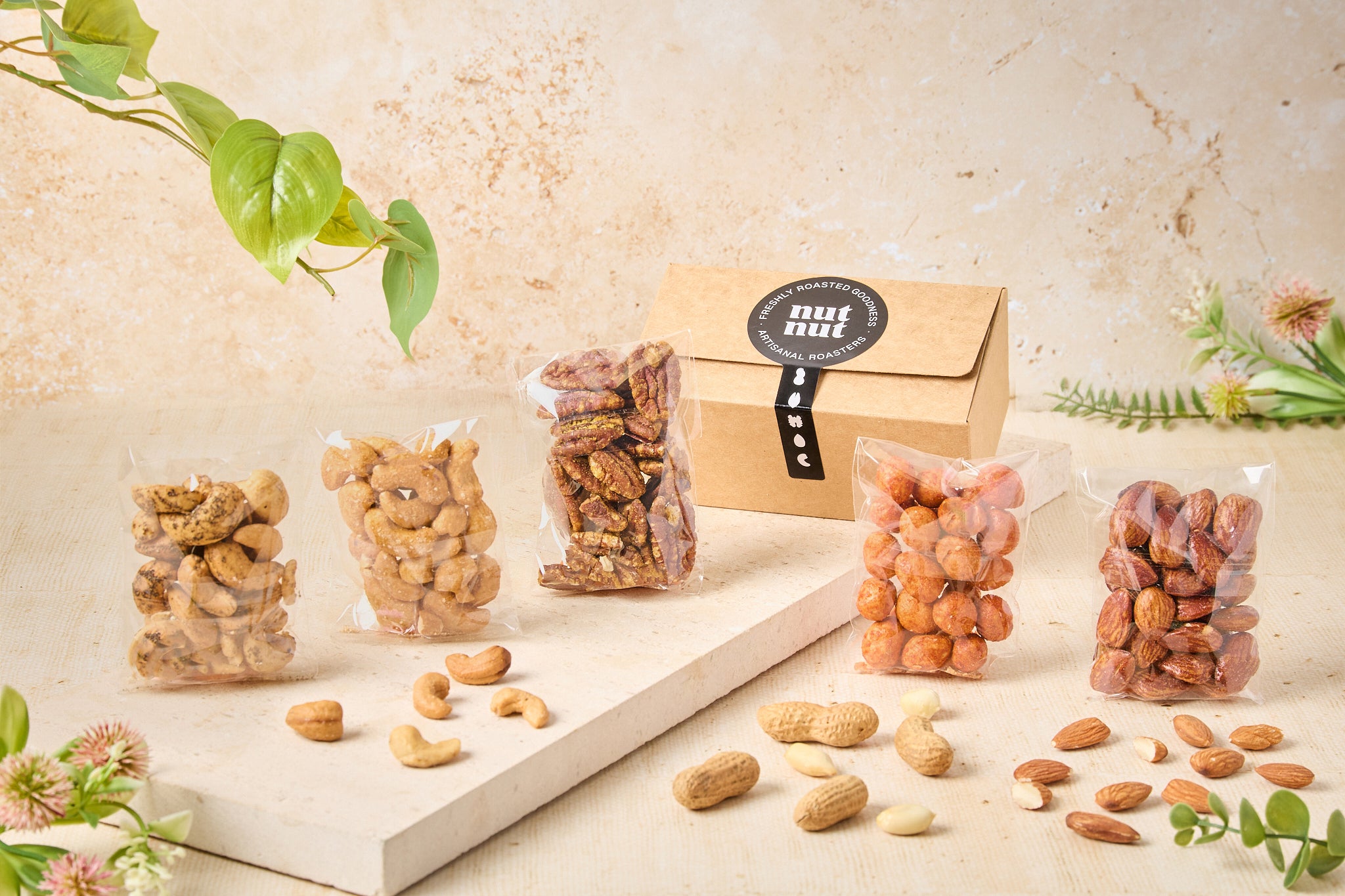
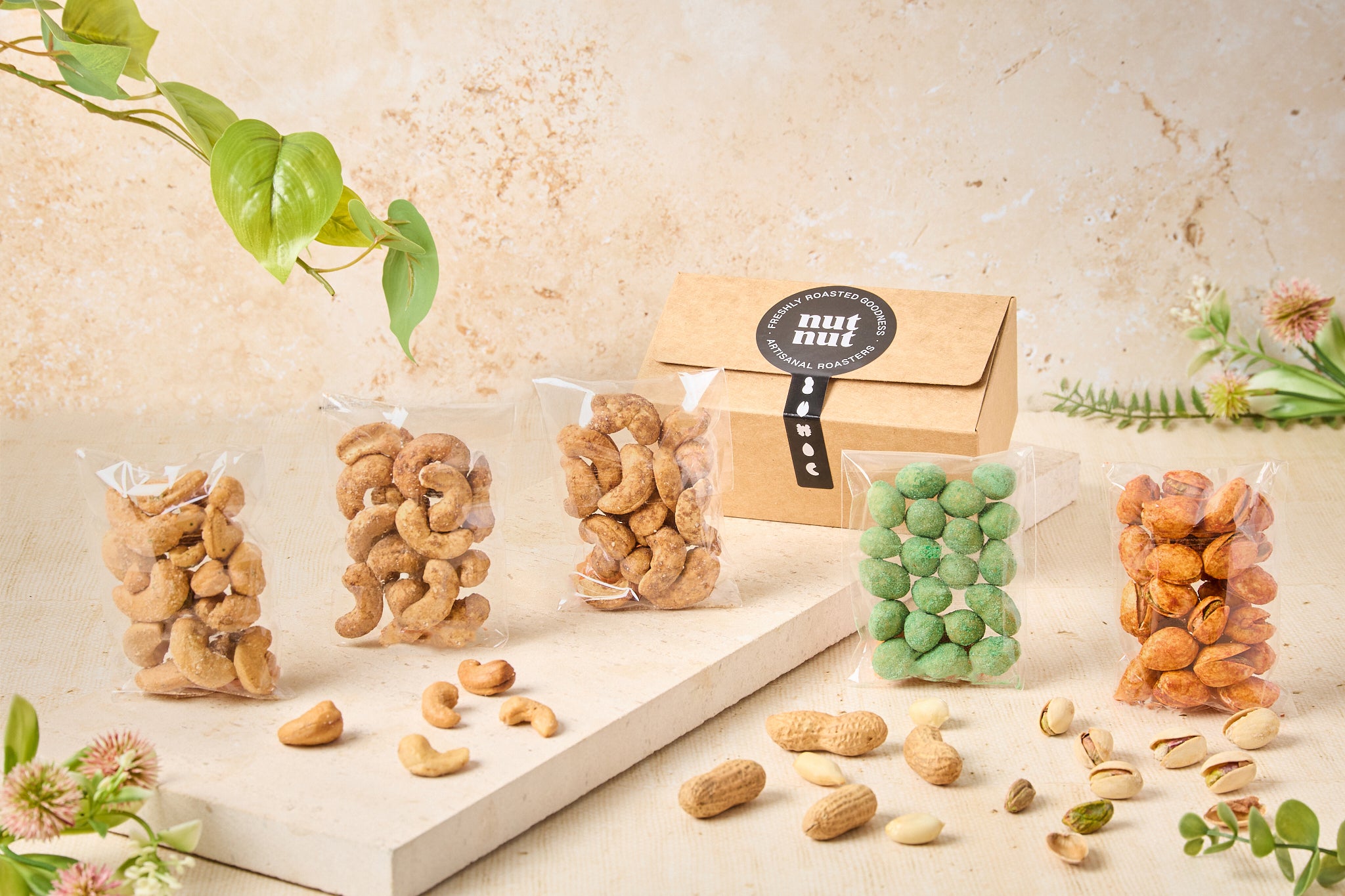
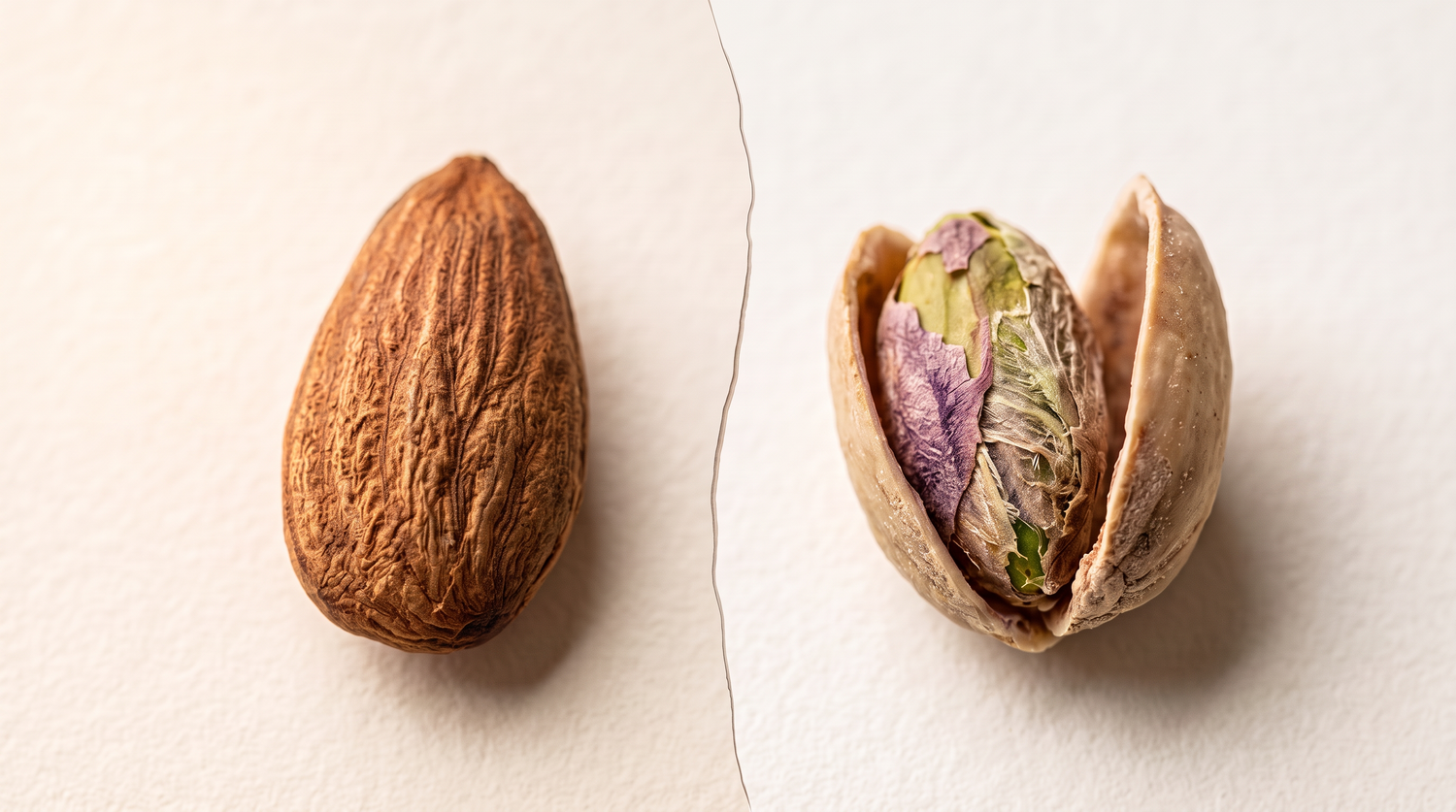
When we talk about nuts, we almost always talk about their healthy fats or protein, but there's one nutrient that often goes unnoticed, and it's actually one of the reasons why a handful of almonds or pistachios is so filling: fiber. At nutnut, we believe it deserves its own article, because not all fiber is the same, and not all nuts provide it in the same quantity.
Spain, in fact, has a known problem with this nutrient: most of the population does not meet the recommended fiber intake, and nuts are one of the easiest ways to get closer to that number without radically changing one's diet. We have already discussed other less-known nutrients in nuts, such as leucine or vitamin E, and fiber deserves the same level of attention.
Let's break it down: what exactly is it, what types exist, and, most importantly, which nuts should you prioritize if you want to increase your daily intake.
What is fiber and why does the body need it?
Fiber is the part of plant-based foods that the human digestive system cannot fully break down. Unlike other carbohydrates, it is not absorbed as an energy source, but it fulfills functions that no other nutrient can replace: it regulates intestinal transit, nourishes the microbiota, and modulates the speed at which glucose and fats from a meal are absorbed.
There are two main types. Insoluble fiber, which is predominant in nuts, does not dissolve in water and adds bulk to stools, promoting regular bowel movements. Soluble fiber, present in smaller proportions but equally relevant, forms a gel when it comes into contact with water, which slows down digestion and helps control both cholesterol and blood sugar. Nuts, as a whole, provide a combination of both, something few foods achieve so naturally.
The reference intake for an adult is between 25 and 30 grams per day, according to the recommendations of the European Food Safety Authority (EFSA). Most of the Spanish population falls below this figure, which makes nuts a practical ally to get closer to the goal without relying solely on fruits and vegetables.
Why fiber in nuts matters
Satiety and appetite control
Fiber slows gastric emptying and contributes to a feeling of fullness, which partly explains why a handful of nuts as a snack satisfies hunger for longer than other snacks with similar calories. This is one of the reasons why nuts, despite being calorie-dense, are consistently associated with better long-term weight management when consumed in appropriate portions.
Digestive health and microbiota
Insoluble fiber acts as a substrate for beneficial gut bacteria, which ferment it and produce short-chain fatty acids with a protective role on the intestinal lining. A diet poor in fiber is behind many common intestinal transit problems, and nuts, consumed regularly, are a simple way to reverse this deficiency.
Cholesterol and glucose regulation
The soluble fraction of fiber binds to bile acids in the intestine, which forces the liver to produce more from circulating cholesterol, thereby helping to reduce LDL cholesterol. Similarly, it delays the absorption of sugars from a meal, smoothing out blood glucose spikes that occur after eating.
Long-term cardiovascular health
The combination of fiber, unsaturated fats, and phytosterols present in nuts is one of the reasons why their regular consumption is associated with a lower cardiovascular risk in long-term population studies, beyond the effect of any of these components individually.
Fiber in nuts: ranking from highest to lowest content
The following ranking shows grams of fiber per 100 grams of nuts. As with other nutrients, the values are approximate and vary depending on the variety and whether they are consumed with or without skin.
1. Almonds: ~12 g/100 g
Almonds clearly top the fiber ranking, and much of that contribution is concentrated in their skin, which reinforces the idea of consuming them unpeeled whenever possible.
2. Pistachios: ~10 g/100 g
Pistachios provide a very similar amount of fiber to hazelnuts, reinforcing their profile as one of the most nutritionally complete nuts in our entire catalog.
3. Hazelnuts: ~10 g/100 g
Hazelnuts are practically on par with pistachios, also adding their known richness in vitamin E and folate.
4. Peanuts: ~8.5 g/100 g
Although botanically they are legumes, peanuts provide a very respectable amount of fiber, consistent with their high-performance nutritional profile.
5. Brazil nuts: ~8 g/100 g
Brazil nuts combine a good fiber intake with their extraordinary selenium content, an unusual pairing among nuts.
6. Macadamia: ~8 g/100 g
Macadamia nuts are equal to Brazil nuts in fiber, a surprising fact given their profile, which focuses more on monounsaturated fats than other macronutrients.
7. Walnuts: ~7 g/100 g
Walnuts add fiber to their already known profile of plant-based omega-3s, an interesting combination for cardiovascular health.
8. Pine nuts: ~4 g/100 g
Pine nuts are at the lower end of the ranking in terms of fiber, although they remain a versatile and common ingredient in Mediterranean cuisine.
9. Cashews: ~3 g/100 g
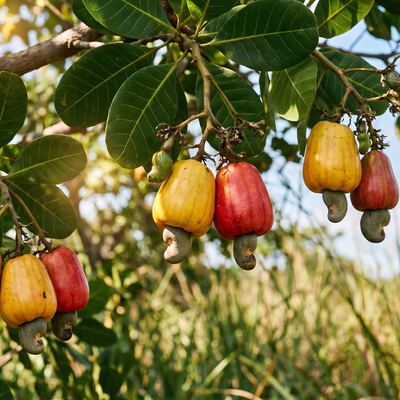
Cashews provide the least fiber in the group, consistent with their lower proportion of fibrous inner shell, although they compensate with their creamy texture and good mineral profile.
How to make the most of the fiber in nuts
To get the most out of the fiber in nuts, there are two practical ideas that make a difference: keeping the skin whenever possible and gradually increasing your intake.
Breakfast: Whole almonds with skin on yogurt or oatmeal, another source of fiber that adds to that of the nuts.
Mid-morning snack: Pistachios or hazelnuts, easy to transport and with a significant fiber contribution for a snack.
Lunch: Chopped peanuts or walnuts on a legume salad, which is already another important source of fiber.
Light dinner: Chopped Brazil nuts or macadamias on a vegetable cream, adding fiber without hardly noticing it in the dish.
One final important note: if your current diet is low in fiber, incorporate nuts gradually and with plenty of water, because a sudden increase can cause temporary digestive discomfort. At nutnut, we artisanally roast each variety without added oils, a process that does not reduce the fiber content of the nut, so you can incorporate them into your routine knowing that this contribution arrives intact on your plate.


Leave a comment
This site is protected by hCaptcha and the hCaptcha Privacy Policy and Terms of Service apply.