


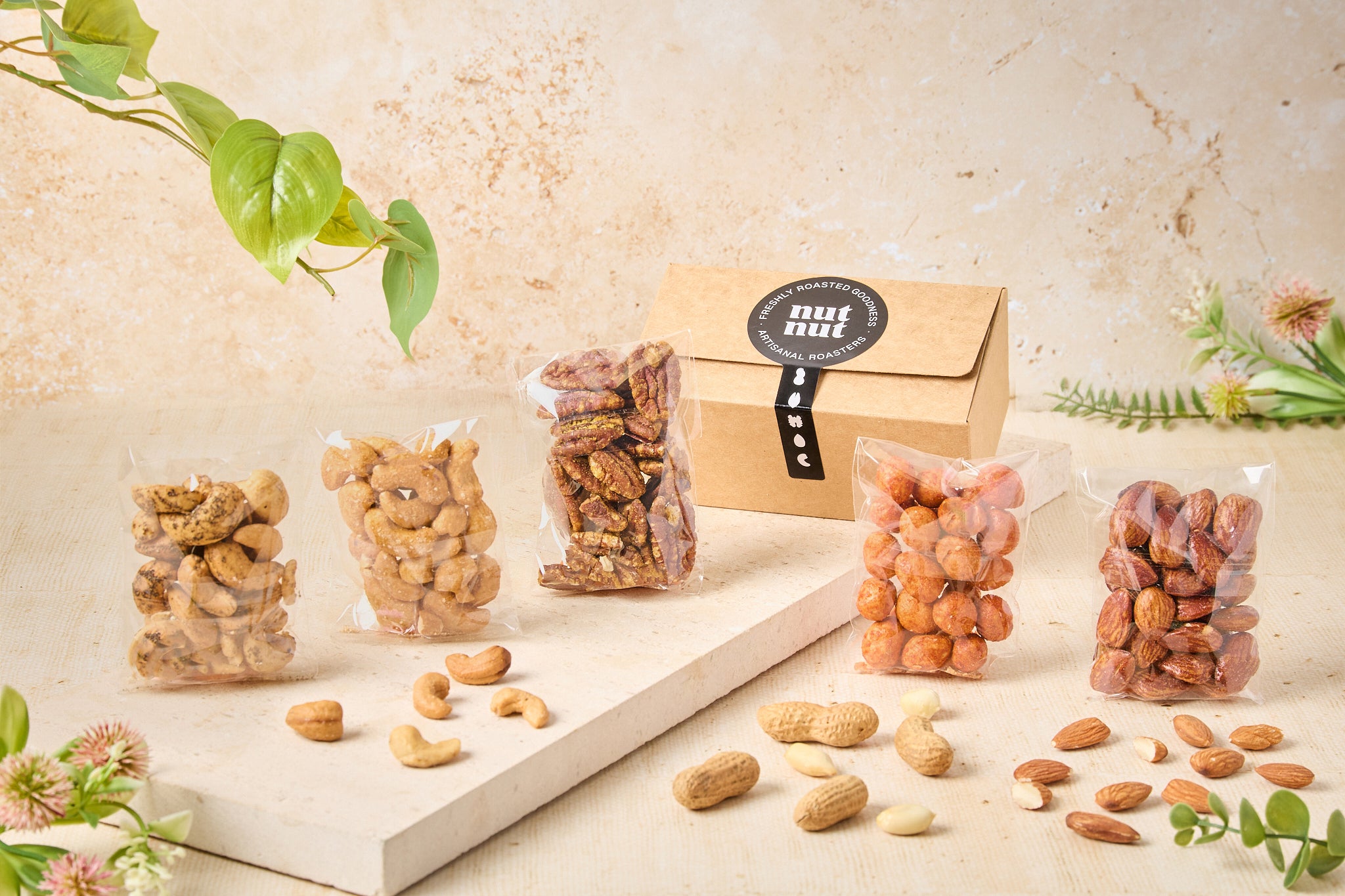
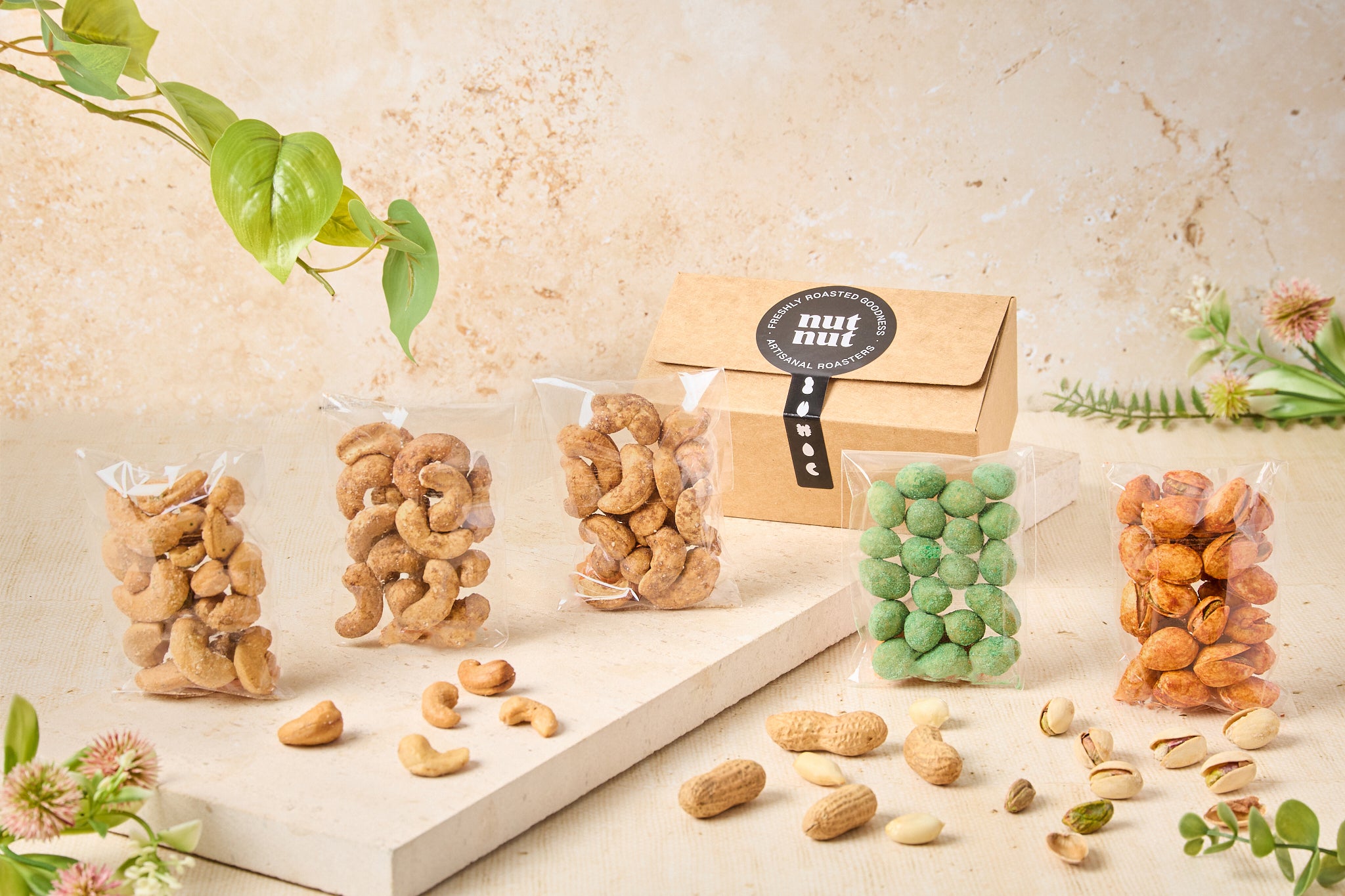
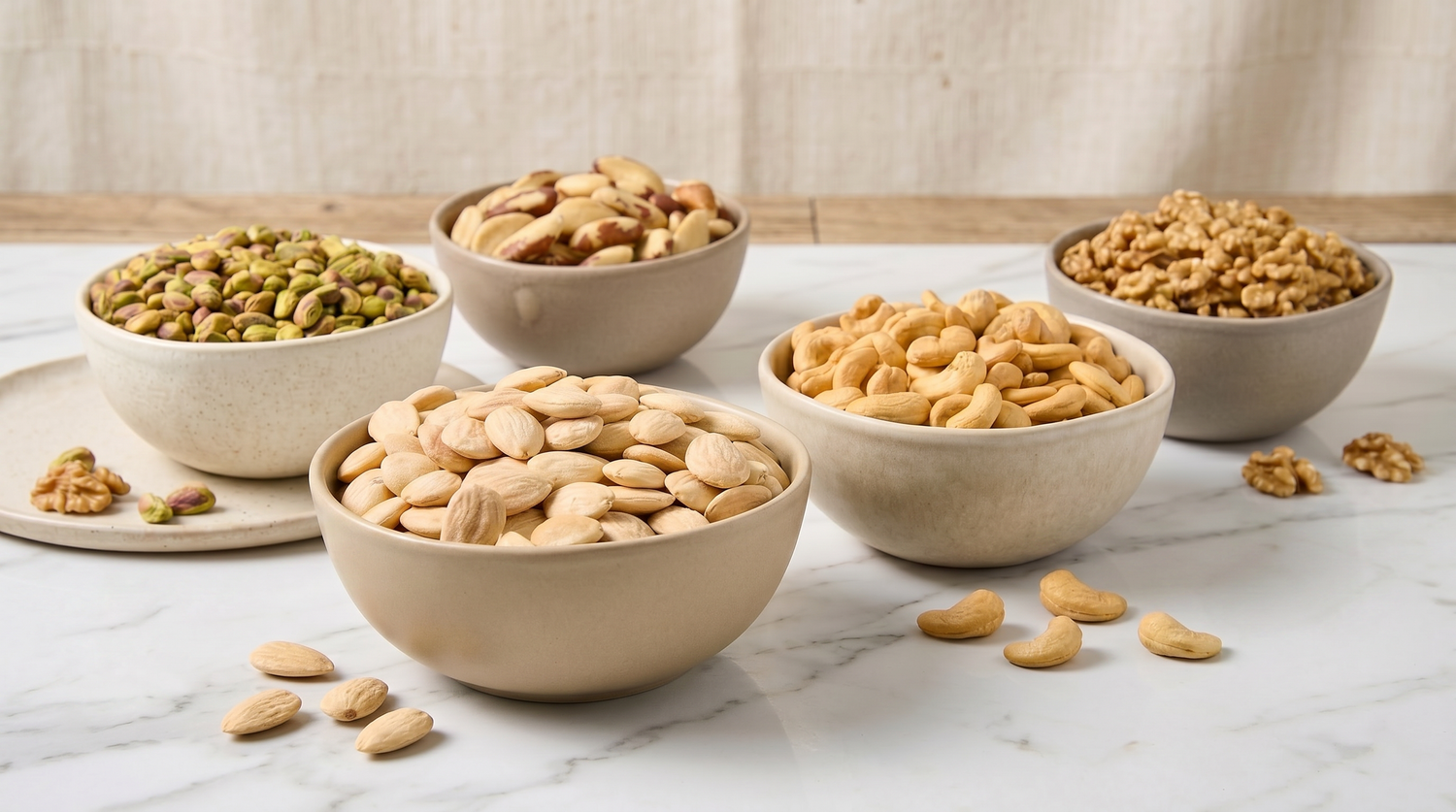
Methionine is one of the nine essential amino acids that the body cannot produce on its own and therefore must be obtained through diet. Although it is often overshadowed by other more well-known amino acids such as leucine or lysine, its role in health is profound and far-reaching: it is involved in processes ranging from liver detoxification to protein synthesis, as well as the production of glutathione, the body's most powerful antioxidant. At nutnut, we find it in various nuts from our premium selection, some with truly remarkable quantities.
What is methionine and why is it essential?
Methionine, or L-methionine, is a sulfur-containing amino acid, meaning it contains sulfur in its molecular structure. This chemical peculiarity makes it unique among essential amino acids and explains many of its most important functions in the body.
Being essential, the human body cannot synthesize it from other molecules. It relies entirely on what you eat to meet its needs. This makes it a nutrient that should be closely monitored in diets with low animal protein consumption or in vegetarian and vegan patterns, where sources of sulfur-containing amino acids are often more limited.
The recommended daily allowance ranges from 10 to 15 mg per kilogram of body weight in adults, which for a 70 kg person means about 700-1,000 mg per day. A figure that, well distributed throughout meals, is perfectly achievable by regularly incorporating nuts.
Functions of methionine in the body
Understanding what methionine is used for helps to appreciate why it should be regularly included in the diet.
Initiation of protein synthesis
Methionine plays a leading role in molecular biology: it is the first amino acid incorporated into every protein chain when the ribosome begins to read messenger RNA. Without available methionine, the production of new proteins cannot start correctly. This directly links it to muscle performance and recovery, topics we discuss in depth in the article on BCAAs in nuts.
Production of SAM (S-adenosylmethionine)
This is probably its most complex and important function. By combining with ATP, methionine generates SAM, a universal methyl group donor. This process, known as the methylation cycle, is essential for regulating gene expression, producing neurotransmitters such as serotonin and dopamine, maintaining DNA integrity, and correctly metabolizing estrogen.
Synthesis of glutathione and cysteine
Methionine is a direct precursor of cysteine, which in turn is one of the three amino acids that form glutathione, the body's main intracellular antioxidant. An adequate supply of methionine therefore contributes to maintaining active antioxidant defenses, which is especially relevant in people who train intensely or are exposed to high oxidative stress.
Liver health and detoxification
The liver uses methionine to process and eliminate toxic compounds, including excess homocysteine. A diet deficient in methionine is associated with fat accumulation in the liver (hepatic steatosis) and reduced detoxification capacity.
Maintenance of connective tissue
By promoting collagen synthesis and contributing to cartilage formation, methionine supports the health of joints, skin, tendons, and ligaments. In athletes, this translates into better impact tolerance and more agile recovery of supporting structures, complementing the anti-inflammatory role of omega-3 found, for example, in walnuts.
Methionine in nuts: ranking from highest to lowest content
Nuts are not the most concentrated sources of methionine compared to meat or fish, but within a balanced diet, they provide real and cumulative amounts, especially if consumed regularly and in variety. The order from highest to lowest concentration (mg per 100 g) is as follows:
1. Brazil nuts: ~1,008 mg/100 g
Brazil nuts are, by far, the nut richest in methionine. Just a few units a day (2-3 pieces) already provide a very significant amount of this amino acid, in addition to being the most potent known natural source of selenium. Their combination of methionine and selenium creates an antioxidant duo difficult to match in the plant world.
2. Cashews: ~362 mg/100 g
Cashews rank second with a not insignificant amount. In addition to methionine, they provide iron, zinc, and a creamy texture that makes them very versatile in recipes and mixes. Their complete amino acid profile makes them a good base for plant-based diets seeking to cover sulfur-containing amino acids.
3. Pistachios: ~335 mg/100 g
Pistachios are one of the most nutritionally complete nuts, and their methionine content confirms this. In addition, they add potassium, vitamin B6, and an interesting BCAA profile for athletes. They are especially useful in definition phases, where protecting muscle mass while reducing fat is the priority.
4. Peanuts: ~317 mg/100 g
Although botanically legumes, peanuts nutritionally behave like a high-protein nut. With more than 25 g of protein per 100 g and a solid concentration of methionine, they are ideal for those who train or want to maintain muscle mass. Their high leucine content also makes them particularly efficient for post-exertion recovery.
5. Walnuts: ~236 mg/100 g
Walnuts combine their methionine contribution with the most potent anti-inflammatory profile among nuts, thanks to alpha-linolenic acid (plant omega-3). This synergy between methionine and omega-3 makes them a particularly interesting option for those who want to take care of their cardiovascular system and brain health at the same time.
6. Hazelnuts: ~221 mg/100 g
Hazelnuts rank sixth with a moderate amount of methionine, but their strength lies in the synergy with vitamin E and polyphenols, which create a very favorable antioxidant environment for this sulfur-containing amino acid to fulfill its function in glutathione synthesis. They are an excellent complement in any varied nut mix.
7. Almonds: ~151 mg/100 g
Although almonds are the star nut in many other nutritional rankings, in terms of methionine they occupy the last place among the most common. This does not detract from them at all: they remain a practical source of this amino acid within the context of a varied diet, and their richness in vitamin E and magnesium makes them undisputed leaders when it comes to antioxidant support and muscle recovery.
Methionine and the SAM cycle: the amino acid that works as a team
One of the most fascinating and lesser-known functions of methionine outside the scientific community is its central role in the methylation cycle. Through the conversion of methionine into SAM (S-adenosylmethionine), the body regulates processes as diverse as gene activation and silencing, melatonin and dopamine synthesis, estrogen metabolism, and DNA repair.
When the diet does not provide enough methionine, this cycle slows down, and the effects can be noticed in the form of fatigue, poorer mood regulation, greater vulnerability to oxidative damage, or reduced liver detoxification capacity.
An important nuance: methionine does not act alone. For the methylation cycle to function correctly, it needs the collaboration of B vitamins (especially B6, B9, and B12), which are involved in the conversion of homocysteine back to methionine. Therefore, a diet rich in nuts—which provide both methionine and vitamin B6—has an additional advantage over isolated supplementation.
How to better utilize methionine from nuts
The methionine content can be affected by the roasting process. The Maillard reaction, responsible for the golden color, aroma, and crispness, can slightly reduce the bioavailability of methionine when roasting is intense or prolonged. However, in controlled roasting processes—like those we apply at nutnut—this reduction is minimal and does not compromise the actual nutritional contribution.
To maximize methionine intake throughout the day, the most effective strategy is variety and regularity: combining different varieties in small portions of 25-30g provides a more complete amino acid profile and ensures that methionine is consistently added to the daily total.
A simple mix like Brazil nuts, cashews, and pistachios efficiently covers methionine needs along with selenium, zinc, potassium, and healthy fats. Adding almonds or walnuts completes the antioxidant and anti-inflammatory spectrum.
Incorporate methionine into your daily routine
Putting methionine into practice doesn't require calculating milligrams or complicating your life. Some simple approaches:
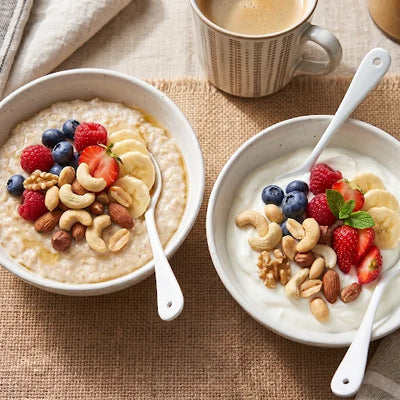
Breakfast: 2-3 Brazil nuts plus a handful of almonds over Greek yogurt. Methionine from the start along with calcium and vitamin E.
Mid-morning snack: 25g of cashews or pistachios. Easy to transport, no refrigeration needed, with a balanced combination of methionine, plant protein, and healthy fats.
Post-workout: mix of peanuts and walnuts. Methionine works with leucine to initiate protein synthesis in the recovery window, right when you need it most.
Light dinner: chopped hazelnuts as a topping on salads or vegetable creams. They add methionine, vitamin E, and flavor without added complexity.
Incorporating quality nuts at these key moments of the day is the most natural, tasty, and efficient way to meet methionine needs without resorting to supplements. And at nutnut, artisanal roasting ensures that the best of each variety reaches your plate intact.


Leave a comment
This site is protected by hCaptcha and the hCaptcha Privacy Policy and Terms of Service apply.